What are the health benefits of houseplants?
Peer reviewed by Dr Sarah JarvisAuthored by Emily Jane BashforthOriginally published 24 Dec 2021
Meets Patient’s editorial guidelines
- DownloadDownload
- Share
- Language
- Discussion
- Audio Version
- Add to preferred sources on Google
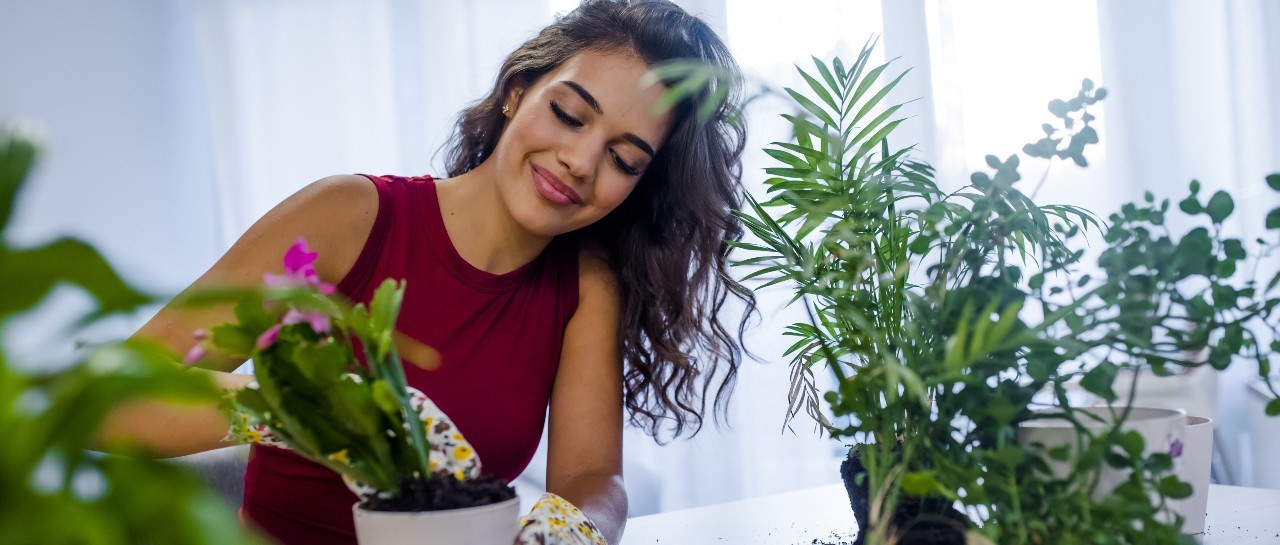
Houseplants can be a great addition to your home, and really brighten up your room (provided you remember to water them). However, did you know that houseplants do far more than add colour to your bedroom? They also have a variety of health benefits.
If you have concerns regarding your health and find issues such as fatigue, stress, headaches, allergies or breathlessness are impacting your life, you should consult your GP. A houseplant is not a substitute for medical treatment; however, they can be useful for relieving symptoms.
Let's explore some of the lesser known benefits of indoor plants.
Boosting your mood and reducing stress
It seems many people have been seeking the benefits of houseplants throughout the pandemic, as search volume for houseplants has increased since the beginning of lockdown. "House plants delivered" increased by 400%, and "Buy houseplants online" by 200%.
It isn't surprising that the nation is in search of houseplants, as indoor plants are not only proven to boost your mood, but also to reduce stress and anxiety.
One study revealed a 37% reduction in tension and anxiety when houseplants were introduced into the workplace, as well as promoting well-being and performance.
Houseplants also help you to feel calmer by suppressing your sympathetic nervous system, which essentially means they can lower your blood pressure.
According to a study published in the Journal of Physiological Anthropology, touching and smelling indoor plants can further reduce physiological and psychological stress.
In fact, even just the soil of your houseplants can have a positive impact on your mood. Potting soil contains microbes colloquially dubbed "outdoorphins", which may work as natural antidepressants. "Just by being around soil, these endorphins will flood your body and boost your mood," says certified wellness counsellor, Joey Doherty.
Environmental health expert Danica-Lea Larcombe also notes that houseplants can: "Confer positive changes in the brain's electrical activity, muscle tension and heart activity."
Reducing fatigue
At home, houseplants can aid sleep, with lavender being renowned for this. The scent of lavender is known for being relaxing, making it great for reducing stress and promoting sleep. Lavender has been proven to lower your heart rate and blood pressure, so it's a good plant to have in your bedroom. A study by the Miami Miller School of Medicine even found that the scent of lavender bath oil reduces stress and crying and enhances sleep in very young infants, as well as helping mothers relax.
Jasmine plants are also good for your zen spaces, as they too give off a sweet scent. This is often used in its essential oil form for relaxation, and it is linked to the reduction of anxiety levels and improved sleep quality.
Additionally, valerian plants have been used for centuries to aid with insomnia. Inhaling the scent of its roots has been shown not only to induce sleep, but also to improve the quality of sleep.
Boosting pain tolerance
Houseplants have shown to reduce physical discomfort. Several studies have found that patients in hospitals have a higher pain tolerance when they are surrounded by plants. It is said that indoor plants shift patients' attention away from their illnesses by being "positively distracting", encouraging them to focus on something else.
Further studies have revealed that houseplants can reduce coughs by up to 37%, as well as help with dizziness and nasal congestion.
Easing dry skin
A study conducted by the Royal Horticultural Society found that houseplants can alleviate dry skin by increasing the relative humidity in an indoor space. Plants create moisture in the air by releasing water vapour through their leaves - this process is called transpiration. As a result, it increases your skin's hydration, making it healthier and increasing its barrier function. In turn, this decreases your likelihood of wrinkles and redness, and plumps your overall complexion.
The gel from aloe plants is also used topically for hydrating your skin. It contains natural antioxidants and has been used by people with dry skin, burns, and acne.
Improving focus
Indoor plants can improve your focus - hence why they are a useful addition to offices and workspaces. Ultimately, it comes down to how they clear the air. Higher levels of carbon dioxide make it harder to concentrate. However, the process of photosynthesis removes CO2 from the air and increases oxygen levels. This can help your ability to think clearly and make decisions. This is also why being outdoors and "getting a breath of fresh air" clears your mind.
And it isn't just plants' air-purifying properties that can improve your focus. The colours in plants can also have a sedating effect and affect your mind. For example, the colour green has been shown to produce emotional stability and boost concentration.
Relieving allergies
If you suffer from allergies, houseplants could be a useful addition to your home. They can provide relief to your constant sneezing and watering eyes by collecting pollen and pollutants in their leaves, helping to clean the air in your home.
Snake plants specifically are beneficial for those with allergies because they add moisture to the air and release ample oxygen, making it easier to breathe.
However, if you are allergic to latex, be wary of the fig. Fig tree leaves give off a sap that includes latex in its chemical make-up. This could lead to a flare-up for latex allergy sufferers.
Improving air quality
Indoor plants improve air quality by releasing oxygen and humidity to the air. NASA scientists have actually found that many houseplants also remove harmful gases, such as benzene, formaldehyde and trichloroethylene from indoor air. In their study, they evaluated the leaves, roots, soil and associated micro-organisms of plants as a possible means of reducing indoor air pollutants. Consequently, they found that indoor plants can remove up to 87% of toxins in surrounding air and water within just 24 hours of entering a home.
NASA's research found the specific plants that clean the air most efficiently. These plants include:
Aloe vera.
English ivy.
Peace lily.
Golden pothos.
Spider plant.
Bamboo or reed palm.
Lacy tree philodendron.
Chinese evergreen.
Heartleaf philodendron.
Red-edged dracaena.
Snake plant or mother-in-law's tongue.
Corn plant.
Elephant ear philodendron.
Weeping fig.
Gerbera daisy.
Indoor plants can improve air quality in other ways, alongside removing harmful gases. Houseplants increase humidity through releasing water vapour. This can help improve your respiratory and skin health by offsetting the drying effects of heating systems. Consequently, this can minimise the occurrence of respiratory issues, headaches and allergies.
It is recommended to arrange your houseplants within 6-8 square feet of your "breathing zone", which is where you usually sit. Doing this allows the plants to absorb carbon dioxide effectively, increasing the oxygen levels in your home or office during photosynthesis.
Patient picks for Environmental conditions

General health and lifestyle
What is fuel poverty and how does it affect our health?
The soaring cost of living and rise in gas prices has led to a surge in the number of households struggling to afford heat and electricity. The energy crisis has led to a sharp rise in fuel poverty, but what exactly does this mean?
by Lydia Smith

General health and lifestyle
What's a permacrisis, and its impact on our mental health?
There seems to have been nothing but bad news for the last few years, with constant reports of viruses, wars, and political misbehaving. Lurching from one crisis to another has now got its own new name 'permacrisis', but how does this never-ending stream of negative news affect us?
by Noella Pio Kivlehan
About the authorView full bio
Authored by

Emily Jane Bashforth
Feature Writer
NCTJ
Emily is a Feature Writer with Patient, writing articles on a variety of topics relating to health and well-being.
About the reviewerView full bio

Dr Sarah Jarvis
Clinical Consultant
MA (Cantab), BM, BCh (Oxon), DRCOG, FRCGP, MBE
After training in medicine at Cambridge and Oxford, Dr Sarah Jarvis MBE became a GP.
Article history
Article also available in English, German, Spanish, French, Italian, Portuguese, Hindi, Hebrew, Arabic, and Swedish.
24 Dec 2021 | Originally published
Authored by:
Emily Jane BashforthPeer reviewed by
Dr Sarah Jarvis
Join the conversation
Share your thoughts or experiences with others in our patient communities.

Ask, share, connect.
Browse discussions, ask questions, and share experiences across hundreds of health topics.

Feeling unwell?
Assess your symptoms online for free
Sign up to the Patient newsletter
Your weekly dose of clear, trustworthy health advice - written to help you feel informed, confident and in control.
By subscribing you accept our Privacy Policy. You can unsubscribe at any time. We never sell your data.