
How social media helps you stay connected to your GP Practice or Pharmacy
Peer reviewed by Thomas Andrew Porteus, MBCSAuthored by Richard StoddartOriginally published 10 Sept 2025
Meets Patient’s editorial guidelines
- DownloadDownload
- Share
- Language
- Discussion
- Audio Version
- Add to preferred sources on Google
GP practices and pharmacies now use social media to help patients stay informed, manage their care, and get the support they need.
Have you ever missed a flu clinic or been unsure whether your practice is open over a bank holiday?
Increasingly, this kind of information is being shared on social media, often faster and more clearly than through any other channel.
More GP practices and community pharmacies are now using platforms like Facebook and Instagram to help patients stay informed, manage their care, and get the support they need without waiting in a phone queue.
If you follow your local surgery or pharmacy online, here’s how it can help you.
1. Stay updated on key services and changes
From appointment booking updates to clinic reminders and prescription advice, practices often share timely posts that help you avoid delays or missed opportunities.
2. Get the right help, more easily
Social media is used to explain services like Pharmacy First, enhanced access, or how to cancel an appointment. This means you can often get seen quicker by choosing the best option straight away.
3. Manage more of your care online
Posts often link to digital tools like the NHS App, where you can order medication, view test results or book appointments without needing to call the practice.
4. Learn about local support you may not know exists
Many people don’t realise they can access services like contraception reviews, blood pressure checks, or self-referral options without speaking to a GP first. Social media helps raise awareness of what’s already available.
5. Read trusted health information, not guesswork
Some posts include links to articles from Patient.info, giving you clear, reliable guidance on symptoms, treatments and services, reviewed by clinical experts and written for patients.
Sponsored
Trusted content, reviewed for safety
Behind many practice and pharmacy pages are teams working to make information easier to access. One of those teams is Redmoor Health, which helps hundreds of NHS services share regular, patient-friendly content online.
To make sure that scheduled content is accurate and safe, Redmoor now works in partnership with Patient.info, whose clinical team reviews posts and adds links to trusted health articles where helpful.
The result is clearer, safer health messaging, delivered through a channel many patients already use every day.
Patient picks for Pharmacy services

General health and lifestyle
Health problems you don't need to see your doctor about
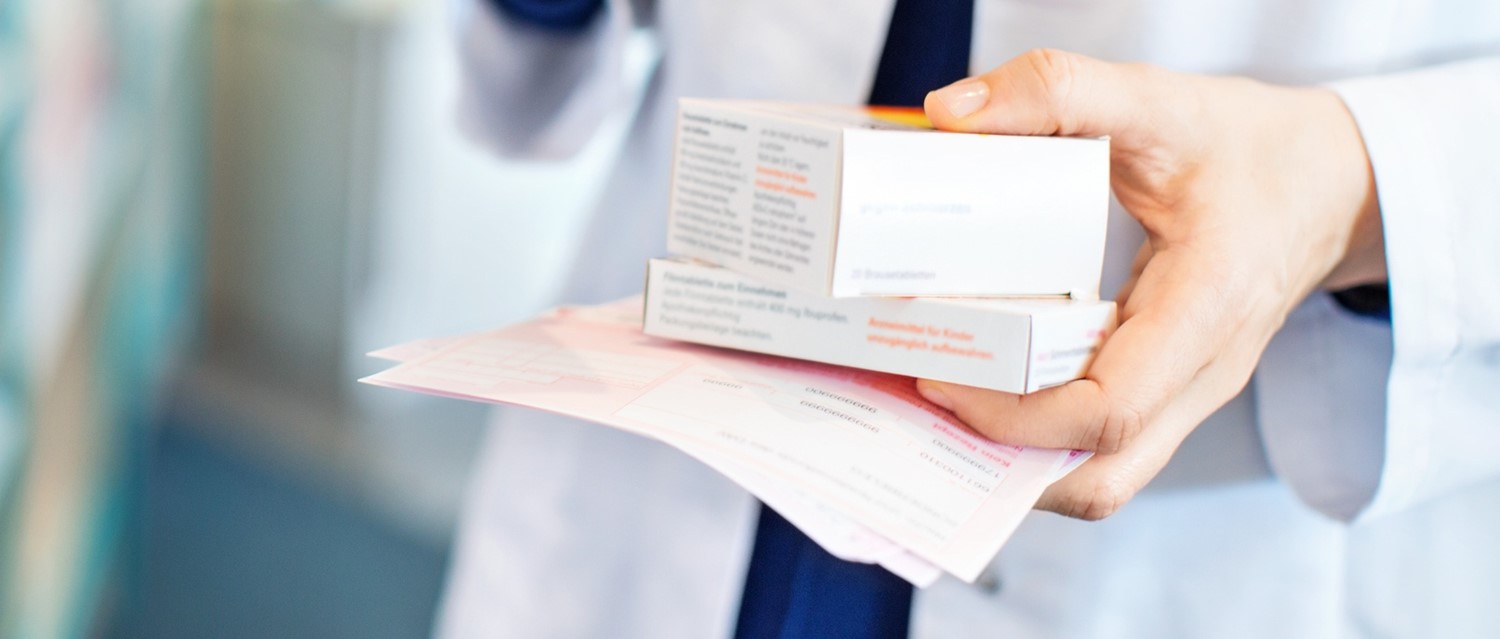
Whilst the expertise of GPs is invaluable, there are plenty of minor ailments and services which you don't need to see a doctor for. Your pharmacist may be a better option.
by Milly Evans
General health and lifestyle
Can your pharmacist help you with your sexual health?
In recent years, pharmacies have increased their offering to provide a variety of different sexual and reproductive health services, including contraception, advice, testing and treatment for some sexually transmitted infections. We look at what's available from local and online pharmacies and when you should visit your GP or sexual health clinic instead.
by Sally Turner
About the authorView full bio
Authored by

Richard Stoddart
Performance Director at Redmoor Health
Richard Stoddard is Performance Director at Redmoor Health.
About the reviewerView full bio

Thomas Andrew Porteus, MBCS
HealthTech
MBCS
Thomas writes to inform, inspire, and equip practice leaders and health professionals navigating change, drawing on two decades of hands-on work across the UK health system.
Article history
Article also available in English, German, Spanish, French, Italian, Portuguese, Hindi, Hebrew, Arabic, and Swedish.
Next review due: 3 Sept 2028
10 Sept 2025 | Originally published
Authored by:
Richard StoddartPeer reviewed by
Thomas Andrew Porteus, MBCS
Join the conversation
Share your thoughts or experiences with others in our patient communities.

Ask, share, connect.
Browse discussions, ask questions, and share experiences across hundreds of health topics.

Feeling unwell?
Assess your symptoms online for free
Sign up to the Patient newsletter
Your weekly dose of clear, trustworthy health advice - written to help you feel informed, confident and in control.
By subscribing you accept our Privacy Policy. You can unsubscribe at any time. We never sell your data.