Cómo usar el ungüento para los ojos
Revisado por pares por Prof. Cathy Jackson, MRCGPÚltima actualización por Dra. Mary Harding, MRCGPÚltima actualización 11 Oct 2017
Cumple con las directrices editoriales
- DescargarDescargar
- Compartir
- Language
- Discusión
- Versión en audio
- Agregar a fuentes preferidas en Google
Este folleto ofrece consejos generales sobre cómo usar la mayoría de los ungüentos para los ojos. Sin embargo, es posible que reciba instrucciones específicas que pueden diferir de los consejos a continuación. Pregunte a su farmacéutico si tiene alguna duda.
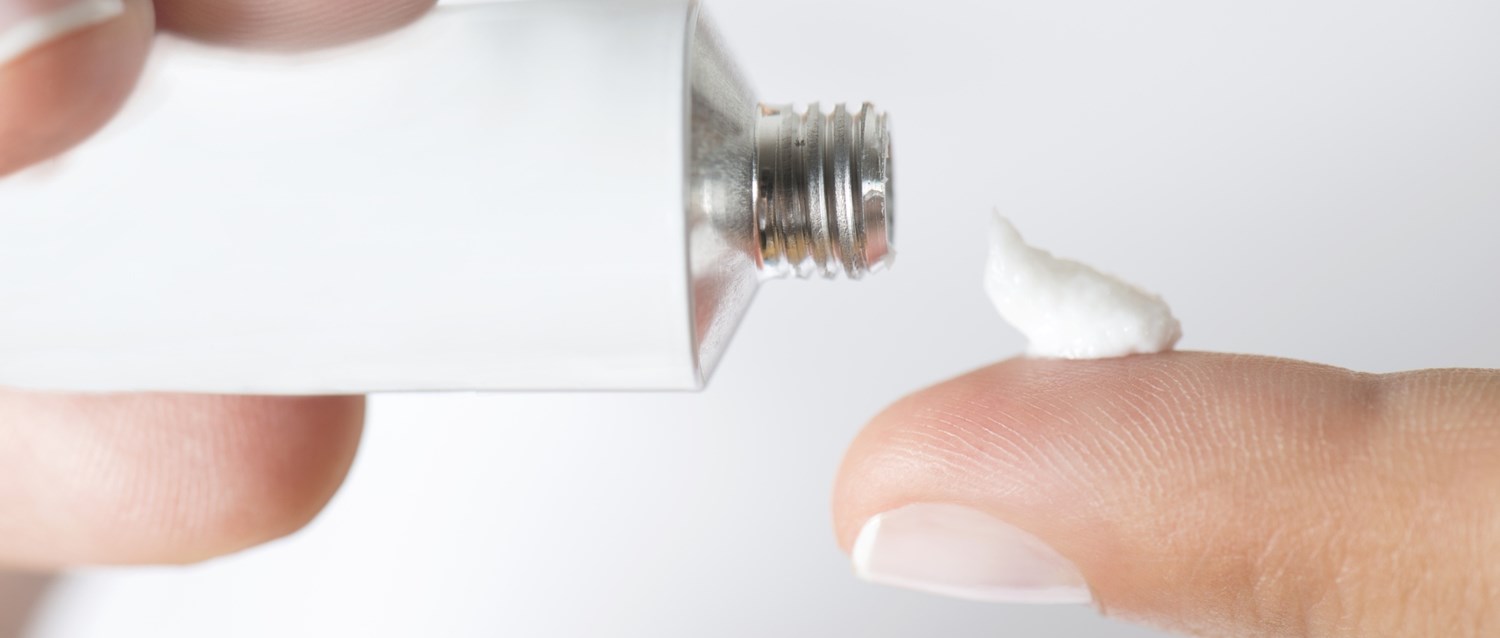
Using an eye ointment
Wash your hands well before you use the eye ointment.
Sit or stand in front of a mirror.
Remove the cap from the tube.
Tilt your head back a little and pull the lower lid of your eye out to form a pocket.
Hold the tube upside down near to your eye.
Apply enough pressure to the tube to release a thin line of ointment along the inside of the lower eyelid. Try not to touch your eye as you do this.
Close your eye for a moment or two and then blink a few times to spread the ointment around the inside of your eye.
Your vision may become a little blurred after you use an eye ointment. If you blink several times after you apply your eye ointment your vision should clear. Try not to rub your eyes.
Repeat the process in your other eye if both eyes are affected.
When you have finished, remember to replace the cap on the tube in order to prevent the ointment from becoming contaminated. Try not to touch the top of the tube.
Some points about eye ointments
Eye ointments are free from germs (sterile) before the bottle top is opened. Once it is opened:
Keep the tube closed in a cool, dark place (unless otherwise advised).
Do not let the top of the tube touch your eye, fingers, or any other surface. This is to keep it free from germs such as bacteria.
Do not let anyone else use your eye ointment and do not use anyone else's eye ointment yourself.
Throw out the tube (and get a new one if required) after the recommended time. This is often four weeks after first opening the tube. Never keep opened tubes to use later. There is a risk that the ointment may become infected if it is kept and used for longer than advised. You may wish to write the date that you opened the tube on the label so you will know when it is time to throw it out.
Some eye ointments sting or irritate for a short while. Rarely, some people are allergic to some eye ointments. Tell your doctor if eye symptoms become worse after using an eye ointment.
Do not wear contact lenses whilst using eye ointments unless otherwise advised. (Some drugs and preservatives in eye ointments can accumulate in soft contact lenses and may cause harm.)
Keep eye ointments out of children's reach.
Giving eye ointment to children
This will depend on the age and co-operation of the child but can be a challenge. Depending on their age, you can:
Sit the child with their head tilted back.
Lay them flat on their back.
Ask another adult to hold them securely.
Wrap a baby or young child in a blanket to keep their arms and legs still.
Then apply the ointment in the same way as above, taking care not to let the tube contact your child's eyelashes, eyes or skin.
Using other eye ointments or drops
If you need to use two eye ointments, you should apply one of the eye ointments as per the instructions above; then, wait about half an hour before you apply the second eye ointment. This is in order to allow enough time for the first eye ointment to be absorbed.
If you have been prescribed an eye drop as well as an eye ointment you should normally apply the eye drop first. Wait five minutes and then apply your eye ointment. See also separate leaflet called How to Use Eye Drops.
For more detailed information see the leaflet that came with your medicine.
Selecciones del paciente para Salud ocular

Salud ocular
Qué comer para tener ojos saludables
Todo el mundo sabe que las zanahorias te hacen ver en la oscuridad, pero ¿qué hay del papel de los pimientos, la col rizada, las almendras, los kiwis y los mariscos en hacer que nuestros ojos sean más saludables? Los científicos han descubierto que varios nutrientes ayudan a proteger nuestra vista, manteniendo uno de nuestros sentidos vitales en buen estado de funcionamiento a medida que envejecemos.
por la Dra. Carrie Ruxton, PhD, Nutrición Infantil

Salud ocular
Cómo cambian tus ojos a medida que envejeces
They're your windows to the world, and we rely on them for almost everything we do. Eye problems become more common with age, but there are lots of steps you can take to cut your chance of sight-threatening problems. And fortunately, there have never been more effective treatments to preserve sight.
por la Dra. Sarah Jarvis
Sobre el autorVer biografía completa

Dr Mary Harding, MRCGP
Médico General, Autor Médico
BA, MA, MB, BChir, MRCGP, DFFP
La Dra. Mary Harding se graduó de la facultad de medicina de la Universidad de Cambridge en 1989.
Acerca del revisorVer biografía completa

Prof. Cathy Jackson, MRCGP
Autor Médico
BSc (Hons) Fisiología, MB, ChB, MRCGP, MD
La profesora Cathy Jackson se graduó de la Escuela de Medicina de Manchester, habiendo obtenido un título con honores de primera clase en fisiología en el camino.
Historial del artículo
La información en esta página es revisada por pares por clínicos calificados.
Artículo también disponible en Inglés, Alemán, Español, Francés, Italiano, Portugués, Hindi, Hebreo, Árabe, y Sueco.
11 Oct 2017 | Última versión

Pregunta, comparte, conecta.
Navega por discusiones, haz preguntas y comparte experiencias en cientos de temas de salud.

¿Te sientes mal?
Evalúa tus síntomas en línea de forma gratuita
Suscríbete al boletín de Patient
Tu dosis semanal de consejos de salud claros y confiables, escritos para ayudarte a sentirte informado, seguro y en control.
Al suscribirte aceptas nuestros Política de Privacidad. Puedes darte de baja en cualquier momento. Nunca vendemos tus datos.
Más sobre la salud ocular
- Anatomía del ojo
- Protege tu vista para el futuro: por qué tus ojos merecen un plan a largo plazo
- Cómo vivir con moscas volantes severas en los ojos
- Cómo cuidar tus ojos mientras trabajas desde casa
- Cómo prevenir los ojos secos durante el invierno
- Cómo reducir la fatiga ocular al ver televisión
- Cómo aliviar los ojos irritados en el verano
- Cómo usar gotas para los ojos
- Cómo cambian tus ojos a medida que envejeces
- ¿Tu oficina está dañando tus ojos?
- Fumar podría llevar a la pérdida de la vista, advierten los optometristas
- Los 10 mejores consejos para aliviar los ojos secos
- ¿Qué es AMD y por qué deberías prestarle atención?
- ¿Qué es el astigmatismo?
- ¿Cuál es la relación entre el dolor de espalda, cuello y ojos?
- Qué comer para tener ojos saludables
- ¿Cuándo deberías preocuparte por tus ojos?
- ¿Por qué lloramos?
- ¿Por qué mi visión es peor al conducir de noche?