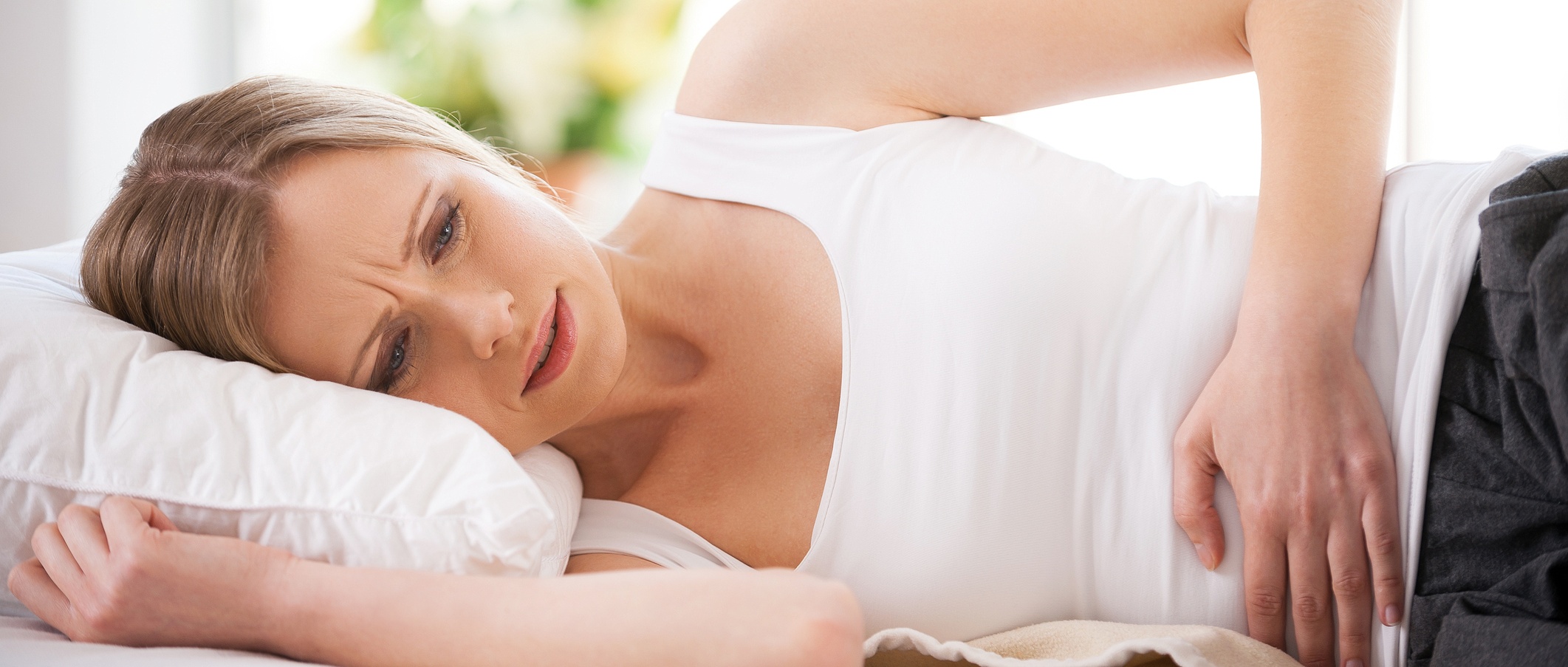
¿Puedes tener cálculos biliares cuando eres joven?
Revisado por pares por Rose Constantine Smith, ANutrÚltima actualización por Rose Constantine Smith, ANutrÚltima actualización 9 Oct 2017
Cumple con las directrices editoriales
- DescargarDescargar
- Compartir
- Language
- Discusión
- Versión en audio
- Agregar a fuentes preferidas en Google
The simple answer is yes! Although gallstones are often seen as a condition that only affects those who are 'fair, fat and 40' the reality is you can get them at any time.
Thomas H. Lewis, an American surgeon, wrote for Brattleboro Memorial hospital saying ‘Patients showing symptoms of gallbladder disease are younger than they ever were before. Gallstones can appear in a person of any age, but the average age when they became a problem used to be when a person reached his or her forties, fifties or sixties. Now, patients with symptomatic gallstones tend to be in their thirties or forties. I’ve even had to remove gallbladders from teenagers. Something is going on.’
I should know, it happened to me
When I was at university I was diagnosed with gallstones, luckily for me my diagnosis was prompt. Unfortunately, though, people showing symptoms of gallstones but without matching the ‘fair, fat and 40’ stereotype are often misdiagnosed.
Georgia was in her early 20’s when she first started getting symptoms...
"I had been suffering with terrible stomach pains that occurred every couple of weeks or so as a very painful attack. I had visited my doctor’s surgery on several occasions, and they felt that the symptoms, along with my age and weight (being under 30 and fairly slim) indicated that I probably had a stomach ulcer. After six months of stomach ulcer treatment, I was finally given an ultrasound scan, and it was confirmed that gallstones had been causing me such problems."
Risk factor – being a woman
What doesn’t seem to be highlighted to the public is that women are at a significantly higher risk of developing this condition. Un estudio found that women across the globe are twice as likely to develop gallstones as men. This is because gallstones are usually formed from cholesterol in bile (the fluid made by the liver and stored in the gall bladder). The female hormone oestrogen has been found to increase the amount of cholesterol in bile. Higher levels of cholesterol also potentially reduce the movement of the gallbladder, another reason for the formation of gallstones.
During fertile years, women have higher levels of oestrogen, particularly during pregnancy and when taking an oestrogen based contraceptive. Girls are also more likely to skip breakfast, which has been found to encourage gallstone formation.
I took an oestrogen based contraceptive pill for 7 years prior to my diagnosis but was never warned of gallstones as a potential side effect and (to be honest) even if I had, I probably wouldn’t have thought much of it.
The awareness of the risk factors and symptoms for gallstones needs to be better, particularly for women who have the ability to mitigate those risks.
What can young people do to reduce risk of developing gallstones?
Eat regularly
When trying to lose weight, people often skip meals and or cut down on their fat intake. This reduces the use and therefore movement of the gall bladder and this in turn increases the chance of stones developing.
For example, a study found that girls with gallstones were more likely to skip breakfast, creating a longer fasting period between the evening meal and their next meal the following day.
Maintain a healthy weight and if trying to lose weight, do it slowly
Although being a healthy weight reduces your risk of developing gallstones, rapid weight loss can increase the risk.
When weight is lost, fat cells reduce in size and hormones (including cholesterol) are released from them. Sudden weight loss also triggers the liver to create more cholesterol, and all these factors can lead to a build-up and development of stones.
Eat a balanced diet
In the UK we tend not to consume the recommended 18g of fibre per day, and low fibre intake along with a high intake of fat and refined carbohydrates have been found to increase your risk. Make sure you opt for plenty of wholegrains and avoid high fat, over processed foods.
Check your family history before choosing a oestrogen based contraceptive pill
There is evidence to show that genetics play a big part in your likelihood of developing gall stones. If you find that gall stones run in your family it may be worth looking at another method of contraception than the contraceptive pill.
Selecciones del paciente para Hígado y vesícula biliar
Salud digestiva
¿Cuál es la diferencia entre la hepatitis A, B y C?
You've probably heard of hepatitis, but do you know the difference between hepatitis A, B, and C? They are all caused by different viruses and, while they have similarities - especially in their symptoms - treatments and preventative measures differ.
por Emily Jane Bashforth
Salud digestiva
Dieta para cálculos biliares: alimentos para comer y evitar
1 de cada 3 mujeres y 1 de cada 6 hombres desarrollarán cálculos biliares en algún momento. Los cálculos biliares son pequeñas piedras, generalmente compuestas de bilis, que se forman en la vesícula biliar. Aquí compartimos los alimentos que pueden prevenir los cálculos biliares, desencadenar síntomas incómodos o mejorarlos.
por Amberley Davis
Sobre el autorVer biografía completa

Rose Constantine Smith, ANutr
Nutritionist
BSc (Hons), ANutr
Rose has authored for several publications including The Healthy Food Guide and is a Nutrition and Wellbeing Manager for The Good Eating Co.
Acerca del revisorVer biografía completa
Rose Constantine Smith, ANutr
Nutritionist
BSc (Hons), ANutr
Rose has authored for several publications including The Healthy Food Guide and is a Nutrition and Wellbeing Manager for The Good Eating Co.
Historial del artículo
La información en esta página es revisada por pares por clínicos calificados.
Artículo también disponible en Inglés, Alemán, Español, Francés, Italiano, Portugués, Hindi, Hebreo, Árabe, y Sueco.
9 Oct 2017 | Última versión
Última actualización por
Rose Constantine Smith, ANutrRevisado por pares por
Rose Constantine Smith, ANutr

Pregunta, comparte, conecta.
Navega por discusiones, haz preguntas y comparte experiencias en cientos de temas de salud.

¿Te sientes mal?
Evalúa tus síntomas en línea de forma gratuita
Suscríbete al boletín de Patient
Tu dosis semanal de consejos de salud claros y confiables, escritos para ayudarte a sentirte informado, seguro y en control.
Al suscribirte aceptas nuestros Política de Privacidad. Puedes darte de baja en cualquier momento. Nunca vendemos tus datos.
Más sobre salud digestiva
- 6 remedios naturales para el estreñimiento
- Dieta para el reflujo ácido: alimentos para comer y evitar
- ¿Podrían ser cálculos biliares?
- Cómo evitar la intoxicación alimentaria este verano
- Cómo eliminar los gases atrapados: remedios caseros que funcionan
- Cómo cuidar tu hígado
- Hipnoterapia para el SII: el eje intestino-cerebro
- ¿Es realmente reflujo? Por qué podrías estar mal prescrito con IBP
- Probióticos para el SII: ¿funcionan?
- NuevoLeche cruda: ¿realmente es buena para ti o solo otra tendencia de bienestar?
- Los 5 mejores alimentos probióticos para un intestino saludable
- Los mejores alimentos para la salud intestinal - y por qué los necesitas
- El sistema digestivo
- ¿Qué dice tu caca sobre ti?
- ¿Qué sucede si tu apéndice estalla?
- ¿Cuál es la mejor dieta para la enfermedad de Crohn?
- ¿Cuál es la relación entre el síndrome del intestino irritable y la ansiedad?
- ¿Cuál es tu microbioma intestinal?
- Actualizado¿Cuál es la diferencia entre el síndrome del intestino irritable y la enfermedad inflamatoria intestinal?
- ¿Por qué ha habido un aumento de hepatitis en niños?