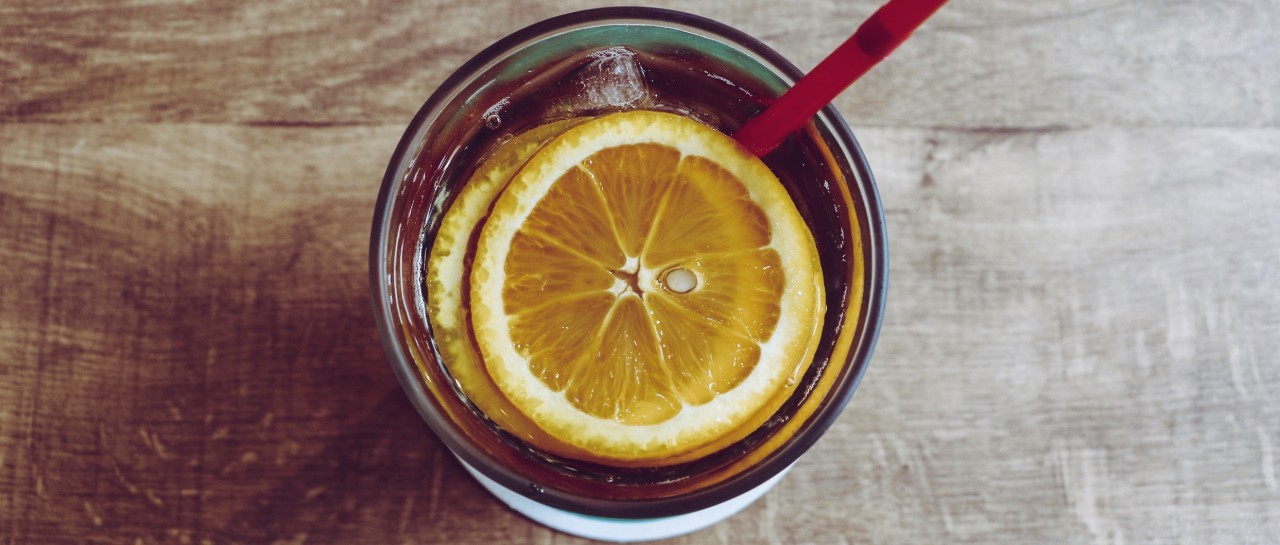
Two soft drinks a day may increase risk of early death
Peer reviewed by Natalie HealeyAuthored by Milly EvansOriginally published 4 Sept 2019
Meets Patient’s editorial guidelines
- DownloadDownload
- Share
- Language
- Discussion
- Audio Version
- Add to preferred sources on Google
A study has suggested that drinking soft drinks, including sugar-free, increases the risk of death.
The findings, published in the journal Jama Internal Medicine, found that drinking both sugary and artificially sweetened ('diet') soft drinks was associated with a higher risk of death.
The study looked at around 452,000 people from 10 European countries including Denmark, France, Greece, Germany, Italy, the Netherlands, Norway, Spain, Sweden and the UK.
The researchers looked at data from food questionnaires or interviews from 1992 to 2000. Participants were followed up an average of sixteen years later. In this time, 41,693 deaths were recorded.
The researchers found that when drinking two or more glasses of soft drinks a day, compared to drinking less than one a month, all types of soft drinks were associated with an increased risk of death from all causes. Those consuming two or more glasses were found to have an increased risk of circulatory diseases and those consuming just one glass a day had a higher risk of dying from digestive diseases.
Drinking soft drinks was not found to increase the risk of dying from cancer.
The study is the largest of its kind. The researchers say that their findings support ongoing public health initiatives to encourage healthy eating and reduce soft drink consumption. But this research only shows a correlation between soft drinks and early death. It does not prove fizzy beverages cause early death. Additionally, the findings relied on participants reporting their soft drink intake, which may not be reliable.
"Our results for sugar-sweetened soft drinks provide further support to limit consumption and to replace them with other healthier beverages, preferably water," study coauthor Neil Murphy, a scientist at the International Agency for Research on Cancer, told Reuters. "For artificially sweetened soft drinks, we now need a better understanding of the mechanisms that may underlie this association and research such as ours will hopefully stimulate these efforts."
This study was published in Jama Internal Medicine.
Patient picks for Healthy eating

Diet and nutrition
Patient's Christmas Cook Off
At Christmas, the food is perhaps more important than the presents. It's an indulgent time, one for turkey with all the trimmings, sprouts laced with cream and bacon, and potatoes roasted in duck fat. Here at Patient, we don't necessarily think you should feel guilty for ditching the diet at this time of year. But there are ways of cooking the Christmas lunch that can make it more nutritious. So we challenged three professional chefs from the Healthy Eating Company to cook healthy versions of roast potatoes, mince pies and stuffing, without sacrificing on taste. Nutritionist Rose Constantine Smith was on hand to help us judge the health content of the chefs' offerings.
by Natalie Healey

Diet and nutrition
How to have a healthy Christmas party
Christmas parties are just around the corner and ‘tis the season to be jolly - but if you’re not careful, also the season to pile on the pounds. These days, we’re all more aware of the dangers of excess fat and sugar in our diets, but traditional Christmas foods all seem to hark back to the days when nobody had to worry about their weight.
by Dr Sarah Jarvis
About the authorView full bio
Authored by

Milly Evans
Editor
Milly writes on a range of health topics, with a particular interest in health inequality and sexual health.
About the reviewerView full bio

Natalie Healey
Freelance journalist
BSc (Hons) Biomedical Science
She is a London-based health journalist who has been writing about science and medicine for several years. She is the former head of editorial at Patient.
Article history
Article also available in English, German, Spanish, French, Italian, Portuguese, Hindi, Hebrew, Arabic, and Swedish.
4 Sept 2019 | Originally published
Authored by:
Milly EvansPeer reviewed by
Natalie Healey
Join the conversation
Share your thoughts or experiences with others in our patient communities.

Ask, share, connect.
Browse discussions, ask questions, and share experiences across hundreds of health topics.

Feeling unwell?
Assess your symptoms online for free
Sign up to the Patient newsletter
Your weekly dose of clear, trustworthy health advice - written to help you feel informed, confident and in control.
By subscribing you accept our Privacy Policy. You can unsubscribe at any time. We never sell your data.