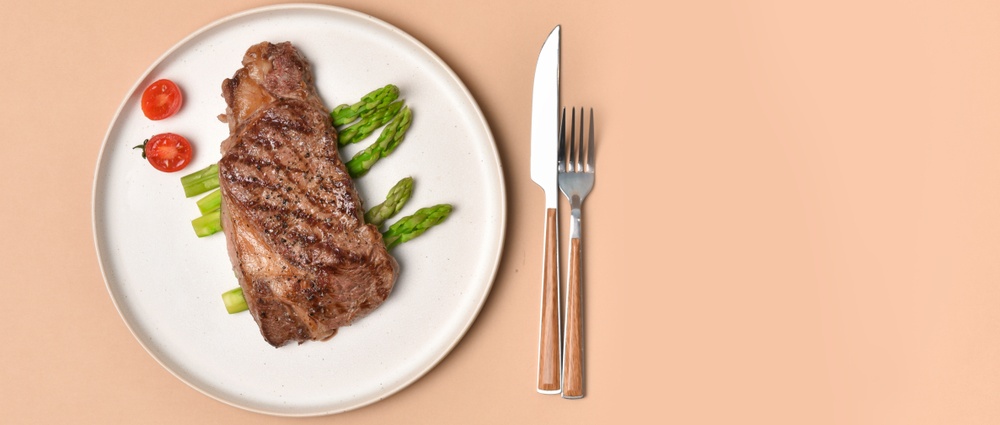
¿Cuánta carne deberíamos estar comiendo?
Revisado por Dr Colin Tidy, MRCGPÚltima actualización por Lynn StephenÚltima actualización 12 Oct 2026
Cumple con las directrices editoriales
- DescargarDescargar
- Compartir
- Language
- Discusión
- Ask Patient
- Versión en audio
- Agregar a fuentes preferidas en Google
Many people are turning vegetarian and vegan for environmental, ethical, and health reasons. However, meat can also be a good source of protein and provides many important vitamins and minerals, including iron. So how much meat should we be eating - or is it better for us to avoid meat entirely?
Selecciones de videos para Alimentación saludableBiblioteca de videos
¿Cuánta carne deberíamos estar comiendo?
In recent years, research has revealed that higher intakes of red meat - for example beef, lamb, pork, and veal - can increase your chance of bowel cancer. Processed meats such as bacon, sausages, cured meats, pâté, and corned beef have been linked to cancer too. However, it's important to remember that it is all about quality and quantity.
Reema Pillai, a registered dietitian at Dietitian Fit & Co, explains that the UK recommendations are that if you consume more than 90 grams of red or processed meat per day, to lower this to below 70 grams.
"Try to have some meat-free days in the week to reduce overall consumption," she recommends. "Opt for other protein sources such as fish, shellfish, eggs, and vegetarian proteins such as lentils, beans, and soya-based products to mix things up in the week."
Red meat can be nutritious as it is a great source of protein and many vitamins and minerals, including iron, zinc, and B vitamins. Pillai says that meat is one of the main sources of vitamin B12. However, red meat can be high in saturated fats and salt.
She cautions that too many saturated fats can increase your non-high-density lipoprotein (non-HDL) cholesterol.
"This is seen as the 'bad cholesterol' and a high salt intake is a risk factor for developing high blood pressure," explains the dietitian. "Both of these are risk factors for developing heart disease."
Saying that, Pillai adds, it is more about moderation and reducing overall consumption as a whole, instead of labelling red meat as bad. She says that adding in varied sources of protein in the week, aside from just red meat, is more beneficial in the long term. Not just for your health but also the environment.
¿Es más saludable ser vegetariano o vegano?
An increasing number of people are becoming vegetarian and vegan for ethical, environmental, and health reasons. However, whether being plant-based is healthier can depend on the overall quality of your diet and the variety of nutrients you are consuming.
"Trying to go for lean meat can help reduce saturated fat levels, as can going for fewer processed meats, such as bacon, sausages, and cured meats," Pillai says. "Leaner meats without the skin, such as chicken or turkey, are healthier options overall to include more regularly if you are a meat eater. Naturally, vegetarian and vegan diets may be lower in saturated fats compared to diets higher in animal proteins."
Vitaminas y minerales
However, it's important for everyone to get enough vitaminas y minerales in their diets. Pillai says that if you follow a vegetarian or vegan diet, you should ensure that you are including foods that provide a good source of vitamin B12, iron, zinc, calcium, iodine, and omega 3.
"Plant-based dairy alternatives should be fortified with some of these key nutrients. Keeping your diet varied with a large variety of fruits and vegetables, plant-based proteins, and whole grains can help with having a healthier diet overall. Working on lowering consumption of refined carbohydrates and products with added sugars is important for health too."
Supplementing your diet may be required on a vegan diet, as some vegan foods may not provide an adequate amount of specific nutrients. Pillai advises reaching out to a registered dietitian for guidance with analysing your overall diet and providing recommendations, or check with your doctor before supplementing.
Cómo reducir tu consumo de carne
If you think you are eating too much meat or want to cut down, there are plenty of ways to create delicious, nutritious vegetable-based meals.
Asigna días sin carne
Going vegetarian or vegan can be a big commitment and even if that is your end goal, cutting out meat gradually can be a good way to ease yourself into a diet change. Allocating a couple of days a week for plant-based meals can be a good start.
If you only order meat-based meals when you're eating out at a restaurant or getting a takeaway, eating meat can become a treat rather than an everyday ingredient.
Reemplaza la carne con alternativas vegetales
Across the UK, people are spending more money on vegan products, and plant-based diets are trending online. Supermarkets now offer lots of options for meat-free alternatives, such as vegan sausages or burgers. Replacing your usual meats with these, even just for a couple of days a week, can help reduce your meat intake.
It's also helpful to replace minced meat with pulses such as lentils, chickpeas, and other beans, which are nutritious, filling, and high in fibre. It's easy to replace the minced beef with lentils to create a delicious Bolognese.
Pesa tu carne
Puede ser difícil saber cuál es el tamaño de una porción de carne, por lo que puede ser útil pesar la carne antes de añadirla a tu plato.
According to the British Dietetic Association (BDA), a portion of cooked meat such as beef, pork, lamb, mince, chicken, or turkey is around the size of a deck of cards, which is around 90 grams. For cooked white fish, it should be 140 grams or the size of the palm of your hand.
Prepara comidas en torno a las verduras
Many people create meals around meat. However, it's possible to build healthy, fulfilling meals around vegetables and pulses, such as chickpea and cauliflower curries, roast dinners with vegetarian sausages, or a mushroom Wellington.
Selecciones del paciente para Alimentación saludable
Dieta y nutrición
Formas sencillas de seguir una dieta mediterránea
Una dieta mediterránea evoca la imagen de pescado fresco y coloridas ensaladas bañadas en aceite de oliva, acompañadas de una copa de vino tinto, todo mientras se está sentado al sol, por supuesto. Aunque en el Reino Unido no tengamos un sol confiable, ciertamente podemos aprovechar los amplios beneficios para la salud que ofrece la dieta mediterránea.
por Lynn Stephen
Salud del corazón y vasos sanguíneos
Dieta DASH - alimentación saludable que ayuda a reducir la presión arterial
La dieta DASH es una dieta saludable para el corazón que reduce la presión arterial y el colesterol. Lejos de ser especializada, este plan de alimentación puede beneficiar a muchas personas, ya sea que busques mejorar la salud cardíaca deficiente, manejar una condición relacionada o protegerte contra futuros problemas de salud.
por Lynn Stephen
Sobre el autorVer biografía completa
Actualizado por

Lynn Stephen
Desarrolladora de contenido
Maestría con Honores
Lynn se unió a Patient en 2023 y su función incluye revisar todos los folletos profesionales, folletos de información para pacientes y folletos de medicamentos, para asegurar la consistencia en la ortografía, gramática, material de referencia y estilo de la marca, trabajando con los autores médicos y el director clínico para coordinar la redacción y revisión por pares de los folletos.
Escrito por

Lydia Smith
Escritora de artículos
BA, MA, MSc
Lydia Smith es una periodista galardonada y escritora de reportajes que ha escrito extensamente sobre la salud de las mujeres y la salud mental. Actualmente está estudiando una maestría en psicología.
Acerca del revisorVer biografía completa

Dr Colin Tidy, MRCGP
Médico General, Autor Médico
MBBS, MRCGP, MRCP (Paediatrics), DCH
El Dr. Colin Tidy es un médico del NHS, con sede en Oxfordshire.
Historial del artículo
Artículo también disponible en Inglés, Alemán, Español, Francés, Italiano, Portugués, Hindi, Hebreo, Árabe, y Sueco.
Next review due: 12 Oct 2029
12 Oct 2026 | Última versión
8 Dic 2021 | Publicado originalmente
Escrito por:
Lydia Smith
Comparte tus pensamientos o experiencias con otros en nuestro comunidades de pacientes.
Suscríbete al boletín de Patient
Tu dosis semanal de consejos de salud claros y confiables, escritos para ayudarte a sentirte informado, seguro y en control.
Al suscribirte aceptas nuestros Política de Privacidad. Puedes darte de baja en cualquier momento. Nunca vendemos tus datos.