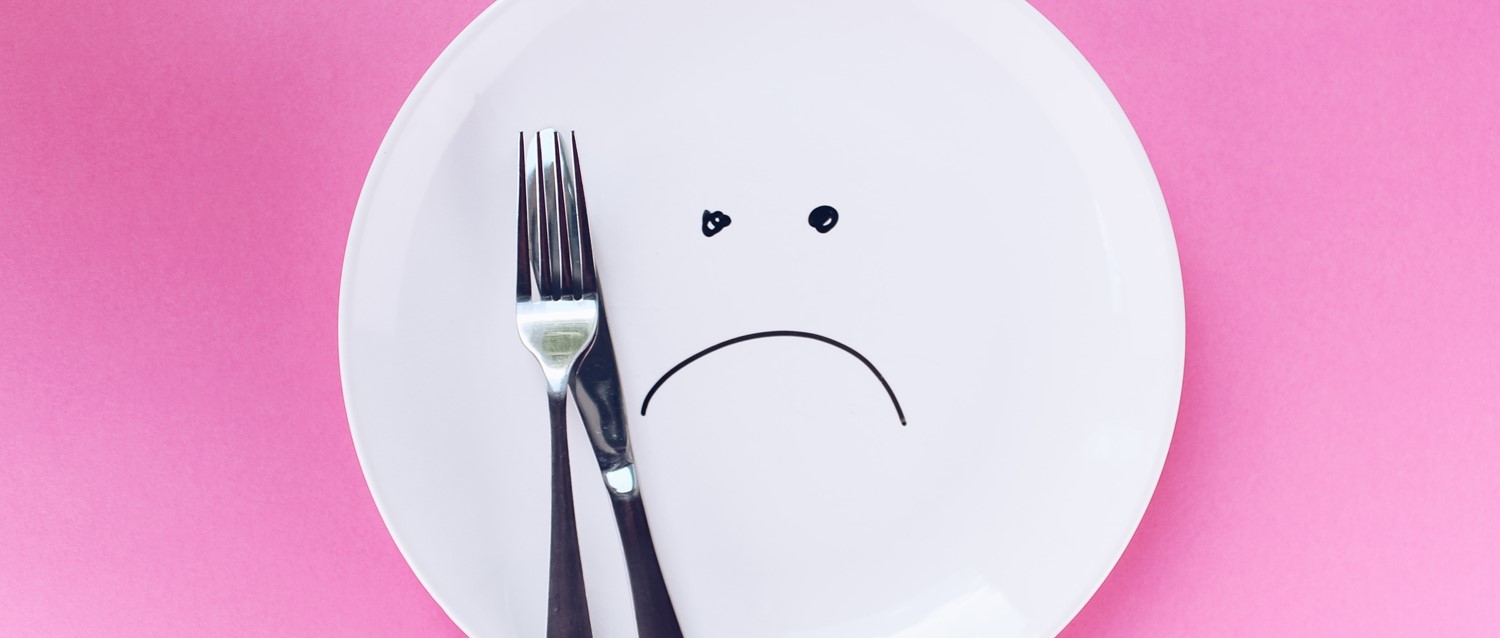
Feeling hangry? Why we get angry when we are hungry
Peer reviewed by Dr Krishna Vakharia, MRCGPLast updated by Victoria RawLast updated 21 Jan 2025
Meets Patient’s editorial guidelines
- DownloadDownload
- Share
- Language
- Discussion
- Audio Version
- Add to preferred sources on Google
It's one thing to feel a bit hungry before dinner, but another to feel so famished that it affects your mood. If you've ever felt irritable and overreacted to minor issues when you've not eaten, you may well have been 'hangry' - feeling angry when hungry. But why do we get this when we crave food and what can we do to avoid it?
Why we get angry when we are hungry
Hanger might sound like a made up thing, but research suggests it is a very real issue. University of North Carolina researchers found that you are more likely to be in a bad mood when you are hungry.
Through a series of tests, assistant psychology and neuroscience professor Dr Kristin Lindquist and her team put people in slightly annoying situations - such as being faced with computer problems.
The hungry people were more irritated and more likely to give negative feedback later on, suggesting that hunger can increase how angry you get in response to frustrating experiences.
Blood sugar levels
One of the reasons you may get irritable is because not eating can affect your blood sugar levels.
Reema Pillai, registered dietitian at Dietitian Fit says that when you get very hungry and haven't eaten properly in a while, the sugar (glucose) levels in your blood can drop.
"If it gets quite low, this can lead to the hormones adrenaline and cortisol being released," she explains. "These help raise your blood sugar but can also make us a bit more irritable than usual - which is why you can have that hangry feeling."
Brain function
Low blood sugar can interfere with higher brain functions - such as those that help you control impulses and regulate your behaviour.
Anger is also linked to hunger because of brain chemicals - such as neuropeptide Y - which is released into the brain when you are hungry. However, it also helps to regulate anger or aggression.
Historically, feeling anger when hungry has helped humans survive. Being aggressive when hungry helped us fight for food as hunter-gatherers, ensuring we stayed fed when faced with competition.
What to do to avoid getting hangry
Although getting angry when hungry seems like a temporary problem, research shows it can have an effect on personal relationships. However, there are steps you can take to avoid getting hangry.
Eat regularly
Try not to wait too long between meals to eat.
Pillai advises that having regular meal patterns can help you reduce dips in your blood sugar - which can prevent you feeling hangry.
She suggests: "Have a prepared snack with you if you are out of the house, so that you can have this if you feel yourself becoming hungry but know you won't be able to have a proper meal soon. Something like a small handful of nuts with a piece of fruit can work well."
Cut back on sugar
Try to avoid junk foods, which could cause a sugar crash. Nutrient-rich, high-fibre foods can keep your blood sugar stable and keep you feeling fuller longer.
Pillai says: "Reducing your intake of highly processed foods with added sugar can help prevent a rapid rise then crash in blood sugar, which can affect your mood."
Eat wholegrains
Focus on eating wholegrain carbohydrates - such as brown rice or pasta - as well as fibre from vegetables, fruits, pulses, beans and protein food sources.
Pillai explains: "These foods keep energy and blood sugar levels more stable, which will help you feel better overall. This is because they take longer for your body to break down to digest, reducing spikes in blood sugar.
"Fibre also helps to keep you fuller for longer by slowing down digestion and stomach emptying, as well as having many other fantastic benefits for your health and well-being."
Pay attention to your feelings
According to the University of North Carolina study, hungry people who understand how they feel and of the effect of changes may be able to reduce their chances of becoming hangry.
Emotional self-awareness can be a personality trait, but it is also something that can be learned through techniques such as mindfulness. It may likewise help to take note of when you're more susceptible to feelings of hunger or irritability, so you can have snacks on hand.
Patient picks for Healthy eating
Diet and nutrition
How a protein-packed breakfast can boost your health
When we think of breakfast, we often picture a bowl of cornflakes with milk. While it’s a classic morning staple, it might not be the most effective way to start your day, as it lacks protein. Adding more protein to your breakfast can boost your energy levels and help keep you feeling full for longer.
by Victoria Raw

Diet and nutrition
Can chicory root be a healthier alternative to coffee?
Chicory root comes from a vibrant blue flower that looks a little like a dandelion. Beneath the flower lies a thick taproot that can be ground into a powder and brewed as a naturally caffeine-free alternative to coffee. But is chicory root actually good for you? We take a closer look at the potential benefits of swapping your usual coffee for this increasingly popular wellness drink.
by Victoria Raw
About the authorView full bio

Lydia Smith
Feature writer
BA, MA, MSc
Lydia Smith is an award-winning journalist and feature writer who has written extensively on women's health and mental health. She is currently studying for an MSc in psychology.
About the reviewerView full bio

Dr Krishna Vakharia, MRCGP
Chief Medical Officer for Health, Optum UK
MBChB, MRCGP(2013), BMedSci (hons), DFSRH, DRCOG, PGDipDerm (Distn)
Dr Krishna Vakharia is an NHS GP. She is also a regular examiner for the postgraduate Diploma in Practical Dermatology at Cardiff University as well as being the Chief Medical Officer for health at Optum UK.
Article history
Article also available in English, German, Spanish, French, Italian, Portuguese, Hindi, Hebrew, Arabic, and Swedish.
Next review due: 28 Jan 2028
21 Jan 2025 | Latest version
8 Nov 2021 | Originally published
Authored by:
Lydia Smith
Join the conversation
Share your thoughts or experiences with others in our patient communities.

Ask, share, connect.
Browse discussions, ask questions, and share experiences across hundreds of health topics.

Feeling unwell?
Assess your symptoms online for free
Sign up to the Patient newsletter
Your weekly dose of clear, trustworthy health advice - written to help you feel informed, confident and in control.
By subscribing you accept our Privacy Policy. You can unsubscribe at any time. We never sell your data.
More in diet and nutrition
- 9 food swaps for a delicious and healthy Christmas dinner
- Are carbs actually bad for you?
- Can kombucha boost your health?
- Coffee and lemon: fact-checking the TikTok trend
- Dietitians, nutritionists and nutritional therapists: what is the difference?
- Do crash diets ever really work for healthy weight loss?
- Do probiotics promote healthy hair?
- Do ZMA supplements really work?
- Foods to boost your immune system this winter
- Healthy Hanukkah food for your weight, heart and diabetes
- How to fast safely during Ramadan
- How you prep your food matters
- Is turmeric good for you?
- Managing health conditions during Ramadan
- Most vitamin supplements aren't beneficial for health, study finds
- What are the benefits of vitamin A?
- What is choline? The nutrient for your memory, muscles and more
- What is creatine? Benefits, uses and risks
- What vitamins do I need?
- What you need to know about unhealthy foods