
Women with diabetes more likely to experience stillbirth
Peer reviewed by Natalie HealeyAuthored by Milly EvansOriginally published 30 Jul 2019
Meets Patient’s editorial guidelines
- DownloadDownload
- Share
- Language
- Discussion
- Audio Version
- Add to preferred sources on Google
High blood sugar and BMI in pregnant women with diabetes puts them at greater risk of having a stillbirth.
Sign up for our free 10-week Diabetes course!
Each week, we'll explore a different topic to help you better understand and manage your diabetes, including everyday living and medicines, to mental wellbeing, the latest in diabetes tech, and nutrition.
By subscribing you accept our Privacy Policy. You can unsubscribe at any time. We never sell your data.
The study, published in Diabetologia, the journal of the European Association for the Study of Diabetes, highlights the risk factors associated with diabetes and pregnancy.
Researchers from the University of Glasgow found that mothers with pre-pregnancy type 2 diabetes are four times more likely to have a stillbirth than the rest of the population. Women with type 1 diabetes were three times more likely to experience stillbirth.
High blood sugar was found to be a key risk factor. Women with type 1 diabetes were seen to have higher levels of blood glucose throughout pregnancy whereas pre-pregnancy blood sugar levels were found to be a better indicator of stillbirth than pregnancy blood sugar in women with type 2 diabetes.
The researchers said: "Overall efforts to improve blood glucose levels before and during pregnancy remain central. Achievement of near-normal blood sugar levels remains key to reducing risk." They recommend "methods of supporting women to improve blood glucose levels in pregnancy, along with programmes to optimise weight before pregnancy".
The study looked at 5,392 babies born to 3,847 mothers with either type 1 or type 2 diabetes over 18 years. Stillbirth rates were 16.1 per 1,000 births in mothers with type 1 diabetes and 22.9 per 1,000 births in type 2. The rate is 4.9 stillbirths per 1,000 live births in the general population.
Babies at the highest and lowest weights were most at risk of stillbirth in mothers with diabetes. Even in mothers with the lowest blood glucose levels, the child's birth weight was found to be considerably higher on average than that of the general population.
Surprisingly, 81% of babies born stillborn were male, among mothers with type 2 diabetes. Other studies have found that male fetuses are 10% more likely to be stillborn than female fetuses.
Researchers also looked at the timing of birth. Of the more than 3,000 stillborn babies each year in the UK, a third are babies carried for 37 weeks or more and considered healthy prior to death. It is currently recommended that women with diabetes deliver early, in the 37thor 38th week as the risk of stillbirth at full term is at least five times higher than for the rest of the population. A third of the stillbirths in the study occurred at full term.
The authors said: "it would seem then that earlier delivery would be a sensible approach", but cited other risks with early delivery such as "respiratory distress syndrome as a result of inadequate lung development", and encouraged further investigation into the timing of birth in women with diabetes.
This study was published in Diabetologia.
Patient picks for Diabetes mellitus

Diabetes
Understanding diabetes jargon
When speaking to your doctor about diabetes, some of the terminology can be confusing. Here's a quick guide to what all the medical mumbo jumbo means.
by Dr Ben Janaway, MBChB
Diabetes
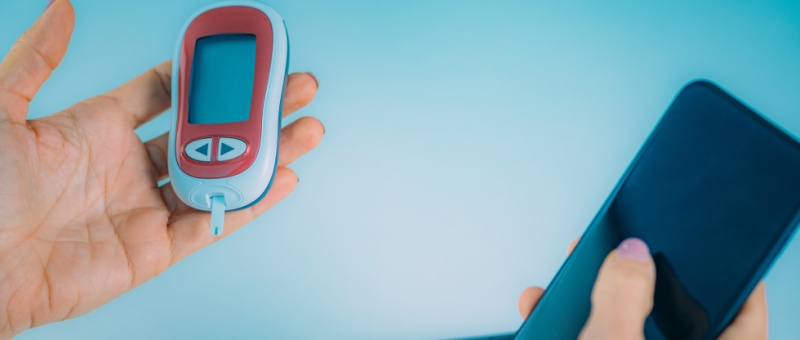
Can apps really help with diabetes management?
Technology often plays a big part in how we manage our health. We use fitness trackers to log how much exercise we do. Calorie counters help us keep on top of our snacking habits - and we even use apps to help support our mental well-being. Tech can also support us when managing more specific health conditions like diabetes. But how do these apps work - and can they really help?
by Lydia Smith
About the authorView full bio

Milly Evans
Editor
Milly writes on a range of health topics, with a particular interest in health inequality and sexual health.
About the reviewerView full bio

Natalie Healey
Freelance journalist
BSc (Hons) Biomedical Science
She is a London-based health journalist who has been writing about science and medicine for several years. She is the former head of editorial at Patient.
Article history
Article also available in English, German, Spanish, French, Italian, Portuguese, Hindi, Hebrew, Arabic, and Swedish.
30 Jul 2019 | Originally published
Authored by:
Milly EvansPeer reviewed by
Natalie Healey
Join the conversation
Share your thoughts or experiences with others in our patient communities.

Ask, share, connect.
Browse discussions, ask questions, and share experiences across hundreds of health topics.

Feeling unwell?
Assess your symptoms online for free
Sign up to the Patient newsletter
Your weekly dose of clear, trustworthy health advice - written to help you feel informed, confident and in control.
By subscribing you accept our Privacy Policy. You can unsubscribe at any time. We never sell your data.
More in diabetes
- NewAdam Smith on mindfulness, mental health, and diabetes
- Can you claim disability benefits if you have diabetes?
- Can you reverse type 2 diabetes?
- Continuous glucose monitoring in type 1 diabetes
- Diabetes burnout - how mindfulness can support your mental wellbeing
- Diabetes diet: managing type 2 diabetes
- Diabetes increases heart failure risk, particularly in women
- Diabetes myths and misconceptions
- Diapression: unravelling the link between diabetes and depression
- Food shopping tips for those with diabetes
- How to eat out with diabetes
- How to manage diabetes during Ramadan
- How your diet can help prevent type 2 diabetes
- MHRA approves teplizumab to delay progression of type 1 diabetes
- Signs of type 2 diabetes found in children as young as eight
- Slowdown in type 2 diabetes cases
- Sticking to a plant-based diet lowers type 2 diabetes risk
- What you should know about diabetes burnout
- What's the link between diabetes and eating disorders?
- Your essential guide to exercising with diabetes