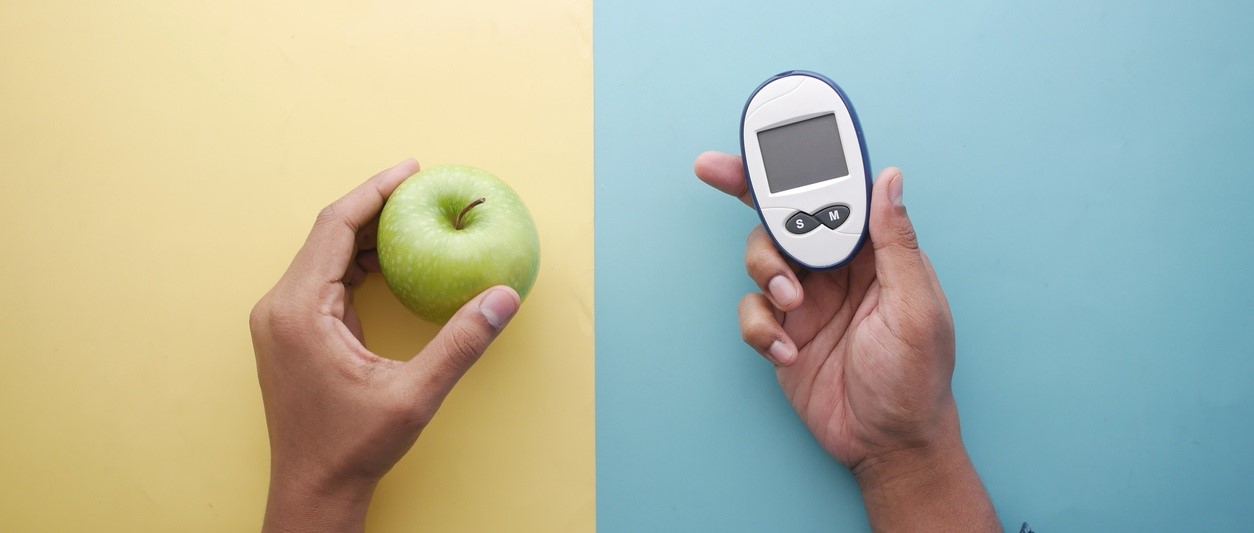
How I reversed my type 2 diabetes - Matt's story
Peer reviewed by Dr Colin Tidy, MRCGPLast updated by Lawrence HigginsLast updated 7 Jan 2026
Meets Patient’s editorial guidelines
- DownloadDownload
- Share
- Language
- Discussion
- Audio Version
- Add to preferred sources on Google
Getting diagnosed with type 2 diabetes can feel scary and frustrating, but it doesn't have to be for life. It can be possible to reverse your type 2 diabetes, also known as going into remission. This means getting your blood sugar levels below the diabetes range and no longer needing to take medicine.
Matt Schmidt shares his own success story in the hope it will teach and inspire others that reversing type 2 diabetes can be possible.
Sign up for our free 10-week Diabetes course!
Each week, we'll explore a different topic to help you better understand and manage your diabetes, including everyday living and medicines, to mental wellbeing, the latest in diabetes tech, and nutrition.
By subscribing you accept our Privacy Policy. You can unsubscribe at any time. We never sell your data.
"I could embrace my diagnosis as an eye opener and make changes to my lifestyle, or I could sit around, pout, be angry and let the diagnosis control my life," - Matt Schmidt.
Is reversing type 2 diabetes possible?
Whilst you may be able to reverse your type 2 diabetes, (T2D) there's no guarantee your diabetes will not return. Why, then, is reversing T2D so important? According to Diabetes UK, this could be life-changing for you.
By getting your blood sugar down, not only will you lose the debilitating symptoms that affect you day-to-day, but you’ll also reduce your risk of serious diabetes complications, such as nerve damage, heart failure, and cancer.
Reaching diabetes remission
The main way to try and get type 2 diabetes into remission is to lose a substantial amount of weight if you are overweight, which in turn should put your blood sugar at healthy levels. This could mean losing 15 kg or 2 stone 5 lbs if you are overweight, as quickly as you can after your diagnosis with support.
Also changes to your diet such as trying food that is low in carbohydrates could also help your sugar levels. For some, there may not be much that can be tweaked in terms of diet and lifestyle but working with your doctor can help to see if there are any changes that could be beneficial.
For most people, reversing type 2 diabetes means:
Having a blood sugar level that remains below 48 mmol/mol or 6.5% for at least 3 months without diabetes medication.
Matt's story
Matt Schmidt is a father and diabetes life insurance advisor. His career predates his own diagnosis - establishing Diabetes Life Solutions to financially support and protect everyday people with type 2 diabetes (T2D), after Matt's own father struggled to find life insurance with his diagnosis.
Matt was first considered to be within prediabetes ranges at age 36. Around 18 months later, age 38 he was formally diagnosed with type 2 diabetes and prescribed medicines. He wasn't too surprised, given that his father was diagnosed around 7 - 8 years before him:
"A diagnosis was always on my mind. Even though I was active, exercising regularly, and generally lived what I thought was a healthy lifestyle, I always felt that I may be diagnosed at some point."
But for Matt, having a family history of T2D working against him wasn't going to make diabetes an inescapable life sentence.
Trying my best with prediabetes
"I had around 18 months between being considered prediabetic to being diagnosed with type 2 diabetes. During that period, I was doing a lot of reading and engaging others in the diabetes community through Reddit, Twitter, and Facebook groups.
"I was really being a sponge and absorbing information, tips, feedback from anyone who was willing to help me through the journey. Social media, in my opinion, was a little friendlier back then, so I really leaned on many people from all over the world to guide in my learning process."
Matt was doing everything his doctor had recommended, but his HbA1c - a test that measures your blood sugar levels over the last three months - continued to climb.
"This was a frustrating time. It was a perfect example of how you can think you're doing everything right health-wise, but your body just isn't reacting the way you intended."
Embracing my diagnosis
"I wasn't ashamed or embarrassed with my type 2 diagnosis. Rather, I embraced it as it opened my eyes and made me realise that I'm not invincible. In my mind, I could make some changes to my lifestyle, and manage it and hopefully overcome it. Or I could sit around, pout, be angry and let the diagnosis control my life.
"Being a positive person, and someone who likes a challenge, I accepted this and told myself I'll do whatever I can to manage the condition to the best of my ability."
Matt supported his efforts with metformin, the diabetes medicine recommended by his doctor that works by reducing the amount of sugar released by the liver.
"There's some trial and error involved in diabetes medicine, but I was comfortable with the recommendation and didn't hesitate to be on metformin. I was familiar with it because my father used it, as well as many others in my diabetes community. After my 45 day follow up doctor appointment, my blood sugar measured slightly lower, so this made me feel better taking the drug."
Tackling my diet
For Matt, diet was the biggest lifestyle change he made, and the one that really turned things around.
"I began to limit my fast food as much as possible, eat more vegetables, and do more weekly meal planning than ever before in my life. For the longest time I would skip breakfast, which would often lead to late morning snacking of unhealthy food. I feel eating a healthy breakfast really got my body moving in the right direction, and generally I'd feel healthier and more energetic when I ate that meal."
Meal planning is a great weight loss tool, because it helps you to resist unhealthy ready meals and impulse buys encouraged by supermarket advertisements. When it comes to having breakfast, the main thing is to do what works for you - and keep it healthy if you do.
Matt also immediately cut down on alcohol. "I was never really a big drinker, but before I had kids I'd go out and do happy hours, meet up with friends to drink and watch sports, or drink with neighbours in a social setting. Type 2 diabetes opened my eyes to how easy it is to have 8-10 drinks a week, without even realising it. Once I stopped this habit, I felt a real change in my body within 60 days."
Increasing my cardio
Alongside diet, exercise is essential for putting diabetes in remission. Cardio exercise is especially helpful for people with T2D as this form gets your blood pumping faster, which in turns helps the insulin in your body work better.
"I already made time for cardio exercise 1-2 times a week," says Matt, "but when my diagnosis showed me this wasn't enough, I increased this to 3-4 times a week. I've always loved a stair master and treadmill, but I was introduced to spinning classes. This was something I found I could enjoy, and still enjoy to this day."
My advice to others
"I'd encourage anyone who has type 2 diabetes to not get discouraged and to listen to your medical professionals. Trust your doctor and don't deviate from their treatment plan. If you don't like the advice you're receiving, it's better to change doctors and to get a second or even third opinion than to give up. Also, think about your overall health situation, and consider what steps you could take to improve it. Sometimes, you could benefit from just a few minor tweaks to your lifestyle."
Patient picks for Type 2 diabetes
Diabetes
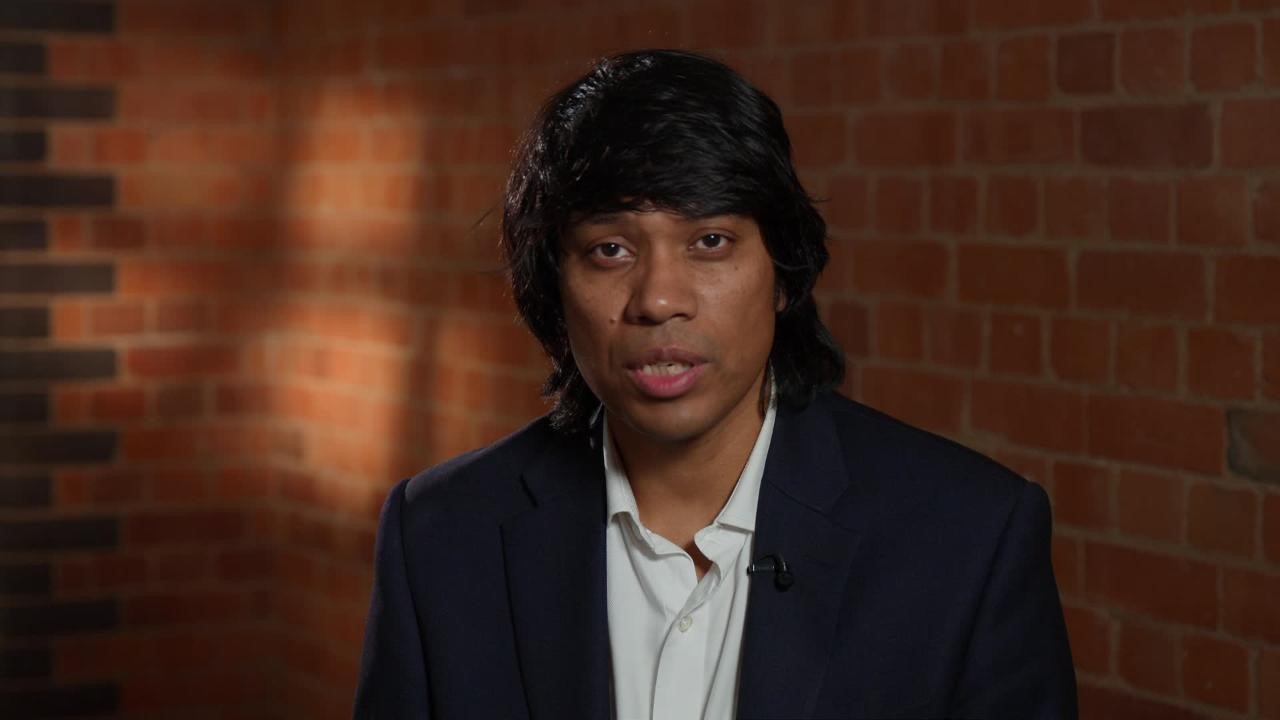
Video: How do you know if you have type 2 diabetes?
There are a lot of symptoms involved with type 2 diabetes, some of which may be mistaken for something else. Our experts look at what you need to look out for, and answer some other common questions about this widespread condition.
by Dr Partha Kar, FRCP

Diabetes
Signs of type 2 diabetes found in children as young as eight
The early signs of type 2 diabetes are visible in children as young as eight years old, according to new research.
by Milly Evans
About the authorView full bio
Updated by

Lawrence Higgins
Managing editor
BSc, Post Graduate Diploma
Lawrence has worked as both Managing Editor of Patient.info and a contributing author. He is also a member of the Guild of Health Writers.
Authored by

Amberley Davis
Senior writer
BA (Hons), CPD
Amberley is a senior writer with Patient and has written extensively on a range of health and wellbeing topics.
About the reviewerView full bio

Dr Colin Tidy, MRCGP
General Practitioner, Medical Author
MBBS, MRCGP, MRCP (Paediatrics), DCH
Dr Colin Tidy is an NHS Doctor, based in Oxfordshire.
Article history
Article also available in English, German, Spanish, French, Italian, Portuguese, Hindi, Hebrew, Arabic, and Swedish.
Next review due: 7 Jan 2029
7 Jan 2026 | Latest version
14 Nov 2023 | Originally published
Authored by:
Amberley Davis
Join the conversation
Share your thoughts or experiences with others in our patient communities.

Ask, share, connect.
Browse discussions, ask questions, and share experiences across hundreds of health topics.

Feeling unwell?
Assess your symptoms online for free
Sign up to the Patient newsletter
Your weekly dose of clear, trustworthy health advice - written to help you feel informed, confident and in control.
By subscribing you accept our Privacy Policy. You can unsubscribe at any time. We never sell your data.