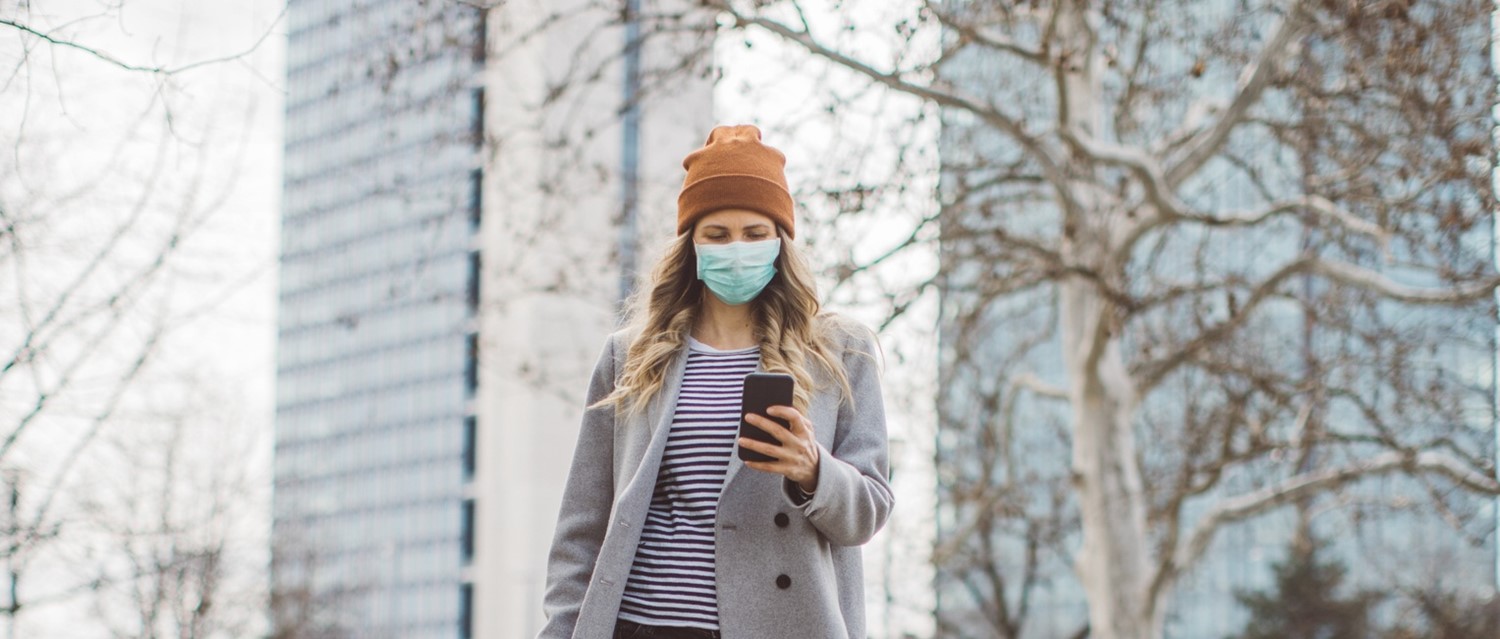
Is coronavirus guidance different for Scotland, Wales and Northern Ireland?
Peer reviewed by Dr Colin Tidy, MRCGPAuthored by Dr Sarah JarvisOriginally published 13 May 2020
Meets Patient’s editorial guidelines
- DownloadDownload
- Share
- Language
- Discussion
- Audio Version
- Add to preferred sources on Google
In the last couple of weeks, different nations within the United Kingdom have started to introduce country-specific recommendations for precautions against coronavirus. From 13th May, those differences will become more marked. We examine how the guidance affects people in England, Northern Ireland, Scotland and Wales.
Use Patient's coronavirus checker tool if you have any symptoms of fever or a new cough. Until you have used the tool and been advised what action to take, please stay at home and avoid contact with other people.
Travel and exercise
In Scotland and Wales, people can exercise outdoors more than once a day, but only if they stay in their local area. Sunbathing and picnicking are not permitted. Currently, Northern Ireland is the only one of the four nations which has not yet eased exercise restrictions - people should only exercise outside their homes once a day.
However, On 12th May, the Northern Ireland Executive published its five-stage plan for easing its coronavirus restrictions. Part of their first phase will be the opening of outdoor spaces and public sports amenities, including golf, tennis and cycling.
Subject to following social distancing guidelines, people in England are allowed to go outside to exercise as often as they wish.
They can also:
Spend time outdoors (including sunbathing, picnicking or sitting).
Use tennis or basketball courts or golf courses with their families or one other person.
Go fishing.
People in England are allowed to travel by car to places they wish to take exercise, without any restrictions on distance. They should not, however, cross the border into Scotland or Wales, where people are required to stay within their local area.
There have been concerns raised that the English move could prompt a flood of visitors to beauty spots such as the Scottish Borders, or Snowdonia, which saw its busiest visitor day in history on the weekend before UK lockdown plans were implemented. People are not allowed to stay in another home (including their second home) for a holiday, and hotels will remain closed except for essential workers. However, after seven weeks of not travelling and good weather on the horizon, the temptation to travel hundreds of miles in a day may be significant.
There have also been concerns raised by residents of English holiday destinations. While numbers of coronavirus cases are dropping in cities such as London and Birmingham, they remain higher than those in rural areas and there have been fears of a spike in areas which to date have had relatively low levels of infection.
Regional figures put the relative risk into perspective (figures as of 1st May):
Birmingham 3,162 confirmed cases and 908 coronavirus-related deaths out of a local population of 1,141,374.
Borders confirmed 294 cases and 45 coronavirus-related deaths out of a local population of 115,510.
Conwy (which includes Snowdonia national park) 312 confirmed cases and 32 coronavirus-related deaths out of a local population of 117,203.
Cornwall and Isles of Scilly 552 confirmed cases and 145 coronavirus-related deaths out of a local population of 568,210.
Cumbria 2,115 confirmed cases and 359 coronavirus-related deaths out of a local population of 498,888.
Devon 777 confirmed cases and 158 coronavirus-related deaths out of a local population of 795,286.
Dorset 348 confirmed cases and 119 coronavirus-related deaths out of a local population of 376,484.
Gwynedd (which includes Snowdonia national park) 308 confirmed cases and 39 coronavirus-related deaths out of a local population of 124,560.
Manchester 1,349 confirmed cases and 263 coronavirus-related deaths out of a local population of 547,627.
Somerset 585 confirmed cases and 112 coronavirus-related deaths out of a local population of 559,399.
Yorkshire 408 confirmed cases and 79 coronavirus-related deaths out of a local population of 209,893.
By contrast, London had 1,033 more deaths than expected for the time of year in a single week (ending 1st May) alone, of which three quarters mention COVID-19 on the death certificate. In its worst week (ending 17th April) there were over 2,200 excess deaths. There have been 5,564 deaths in hospitals alone for people who tested COVID-19 positive.
Working outside the home
For Northern Ireland, Scotland and Wales, rules have not changed. People should work from home if they can and should only work outside the home if they are key workers in the healthcare or other sectors. Businesses should be open only if what they do is essential to the effort of tackling the virus or the well-being of society.
In Scotland, some businesses in the construction sector can continue to work, subject to strict social distancing and other guidance.
In England, by contrast, people are being encouraged to go back to work if their work can only be done in the workplace. Sectors set to reopen or expand their output include food production, construction, manufacturing, logistics, distribution and scientific research in laboratories.
The reopening does not include non-essential retail, hairdressers, restaurants, pubs, bars, gyms and leisure centres. These will remain closed but may begin to open gradually as part of the third phase of relaxation in England, at some point after 4th July.
There have already been concerns raised about pressure being put on people to return to what they consider unsafe working environments. The Health and Safety Executive has warned of strict penalties for companies flouting the rules and encourages workers to inform them if they cannot reach a resolution with their employers.
Face masks
Scotland started recommending the use of face coverings in certain indoor situations a week before Northern Ireland and two weeks before England. They are not recommended in Wales.
Recommendations for Scotland, Northern Ireland and England are similar:
The evidence suggests that wearing a face covering does not protect you (English advice), but it may protect others if you are infected but have not developed symptoms.
Face coverings are not a substitute for social distancing and handwashing.
There is no evidence to suggest there might be a benefit from face coverings outdoors, unless in an unavoidable crowded situation.
Face coverings are different to surgical masks or respirators used as part of personal protective equipment, which should be reserved for healthcare and other workers.
Face coverings should not be used by children under 2 years old.
There is a risk that if face coverings are not used, put on and removed properly, they could increase your risk through contamination.
To reduce this risk:
Wash your hands (or use at least 60% alcohol hand sanitiser) before you put it on, after you take it off and after you use it.
Do not touch the main part of the face covering once it has been in touch with your face.
Remove your covering using the straps only.
Never partly remove a face covering then pull it back into place.
Store used face coverings in a plastic bag until you can wash them.
Wash face coverings after every use. In England the recommendation is to wash them with your other laundry. Scotland specifies a 60°C wash.
Garden centres
Garden centres in England and Wales are now allowed to reopen. No changes have been made to regulations on garden centres in Scotland or Northern Ireland.
However, they will be part of the first phase of changes in Northern Ireland and Scottish First Minister Nicola Sturgeon has suggested she may make an an announcement about garden centres within the next week.
Patient picks for Pandemic articles
COVID-19
How to meet friends and family safely outdoors
Across the UK, lockdowns are easing and we're allowed to see friends and family outside (and indoors too if you live in England or Scotland). But that doesn't mean the risk of spreading COVID-19 has vanished; you still need to take precautions to keep yourself and your loved ones safe.
by Andrea Downey
COVID-19
Tips for restarting your exercise routine after lockdown
Lockdown has affected us all in different ways. When it comes to fitness, some of us have stepped things up - going running for the first time, or taking long walks. Others will have experienced illness, had to care for others or simply found it all too much. As lockdown eases, what's the best way to restore our fitness, or even get fit for the first time?
by Gillian Harvey
About the authorView full bio
Authored by

Dr Sarah Jarvis
Clinical Consultant
MA (Cantab), BM, BCh (Oxon), DRCOG, FRCGP, MBE
After training in medicine at Cambridge and Oxford, Dr Sarah Jarvis MBE became a GP.
About the reviewerView full bio

Dr Colin Tidy, MRCGP
General Practitioner, Medical Author
MBBS, MRCGP, MRCP (Paediatrics), DCH
Dr Colin Tidy is an NHS Doctor, based in Oxfordshire.
Article history
Article also available in English, German, Spanish, French, Italian, Portuguese, Hindi, Hebrew, Arabic, and Swedish.
13 May 2020 | Originally published
Authored by:
Dr Sarah JarvisPeer reviewed by
Dr Colin Tidy, MRCGP
Join the conversation
Share your thoughts or experiences with others in our patient communities.

Ask, share, connect.
Browse discussions, ask questions, and share experiences across hundreds of health topics.

Feeling unwell?
Assess your symptoms online for free
Sign up to the Patient newsletter
Your weekly dose of clear, trustworthy health advice - written to help you feel informed, confident and in control.
By subscribing you accept our Privacy Policy. You can unsubscribe at any time. We never sell your data.