COVID-19: Is Omicron a bigger threat than the Delta variant?
Peer reviewed by Dr Sarah JarvisAuthored by Lydia SmithOriginally published 16 Dec 2021
Meets Patient’s editorial guidelines
- DownloadDownload
- Share
- Language
- Discussion
- Audio Version
- Add to preferred sources on Google
It has been less than three weeks after scientists in South Africa and Botswana sounded the alarm over a concerning new strain of COVID-19. Since then, the Omicron variant has spread quickly, leading to a speeding up of the booster vaccination programme in the UK. But is the Omicron variant a bigger threat than previous strains - and what do we know about it so far?
What is the Omicron variant of COVID-19?
On November 26th, the World Health Organization (WHO) designated Omicron a variant of concern. This decision was based on the long list of mutations it has, which could impact how easily it is transmitted or the severity of illness it causes.
The WHO recently warned that the variant spreads faster than the Delta strain, adding that vaccines may be less effective against it. "(Omicron) is spreading faster than the Delta variant in South Africa where Delta circulation was low, but also appears to spread more quickly than the Delta variant in other countries where the incidence of the Delta variant is high, such as in the United Kingdom," the organisation said.
Around 4,700 cases of the Omicron variant of COVID-19 have been confirmed in the UK so far, and this week the UK confirmed the first death from the new variant. The rate of Omicron infections is at around 200,000 per day, with the strain expected to become dominant in London within a couple of days.
The UK's coronavirus alert level has been raised from three to four, meaning the transmission of the virus is high and social distancing should be observed. The COVID-19 booster programme has also been ramped up in response to the rapidly spreading Omicron strain.
How is the Omicron variant different to Delta?
"To date, we believe Omicron has more mutations on its spike protein than the Delta variant does," says Rodney E. Rohde, a professor of clinical laboratory science and an infectious disease specialist at Texas State University.
"Early data are suggesting that it may be more transmissible and evidence is showing it is rapidly spreading geographically with at least 50 countries reporting it via WHO. The US Centers for Disease Control and Prevention also reports that at least 30 states and Washington DC have reported it."
Typically, Rohde explains, a virus is already spreading prior to detection, due to the incubation of the virus prior to symptoms. "Many scientists, including those from South Africa where it was first discovered, believe this variant will infect more people who have had COVID-19 and recovered due to these new mutations," he says.
"So, it is critical that we continue to vaccinate the world. Vaccination is showing better coverage and more long-term coverage versus natural infection when it comes to variants."
Is Omicron a bigger threat than previous COVID-19 variants?
Ultimately, Rodhe says, it is too early to tell. However, some small studies are being completed and published which paint a concerning picture of the impact Omicron may have. "One study indicates Omicron found a significant drop in how well vaccine-elicited antibodies target the Omicron variant of coronavirus," he says.
"However, the variant didn't completely dodge vaccination. Limitations of the study were it did not include people who had received booster doses. The study also suggests that people who were previously infected and then vaccinated, or people who've had boosters, should maintain greater levels of protection even against Omicron," adds Rohde.
"Most of these studies have a small sample size without much diversity so generalisation to large populations should be cautioned at this time."
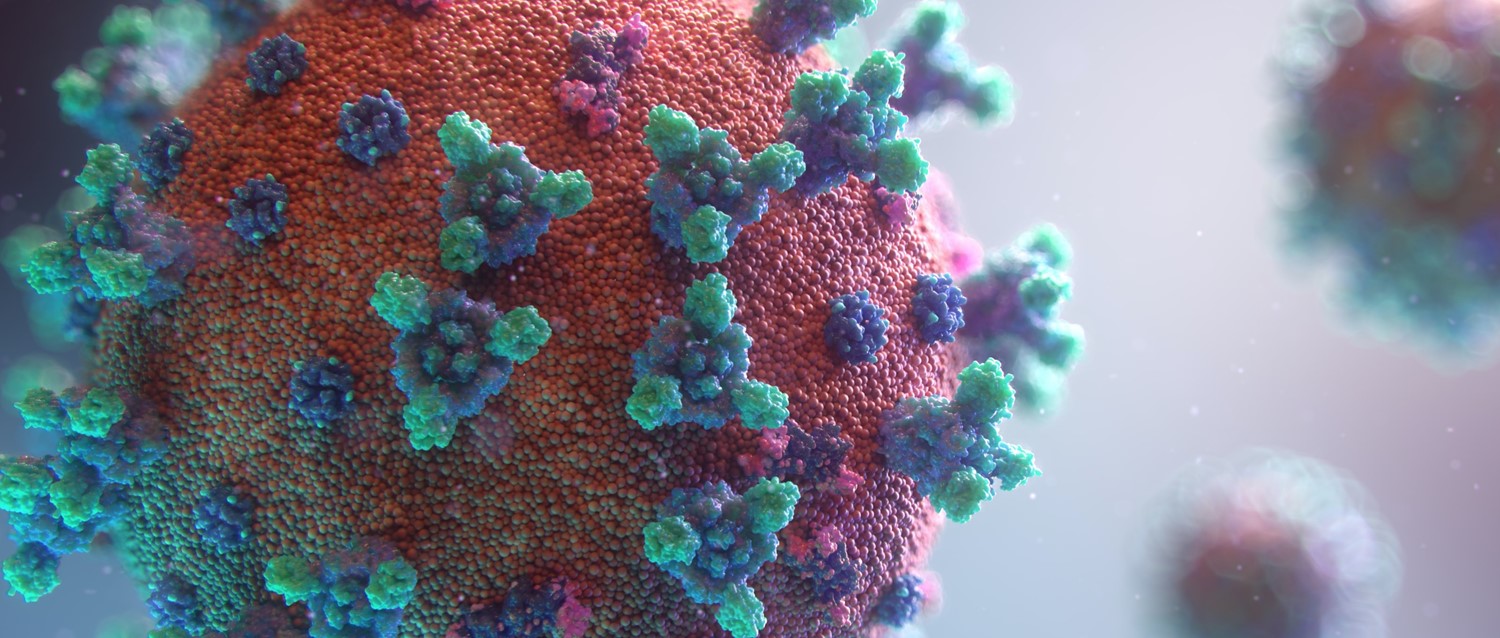
Due to the changes to Omicron's spike protein - which plays an important role in how the virus infects the host - it is believed our current vaccines may be less effective against the variant.
Research released recently by the UK Health Security Agency found that a full two-dose vaccination course was less effective against symptomatic disease with Omicron than with the original strain of COVID-19 or the Delta variant. However, it also found that a booster dose prevents about 75% of people from getting any COVID-19 symptoms.
Another preliminary study by the Africa Health Research Institute, published on 7th December, found there was a 41-fold reduction in the potency of antibodies against Omicron after two doses of the Pfizer vaccine.
Vaccine developers and manufacturers have said that they will continue with plans to develop an updated Omicron-based vaccine, which should be available by March 2022 if necessary.
What are we yet to know for certain about the Omicron variant?
"Scientists in South Africa as well as globally are working, as fast as they are able to, to try to be able to discover more about a newly identified strain of the COVID-19 virus," says Rohde. "While I and others continue to share our thoughts about early research as well as past experience, we still have much to learn."
Ultimately, researchers still don’t know for certain how easily Omicron is transmitted, the severity of infection and symptoms and whether the variant can successfully evade our current vaccines. "We also need to know more about reinfection variables, booster protection and other virulence data," he adds.
Patient picks for Variants information

COVID-19
Should you be worried about the Indian COVID-19 variant?
Despite lockdown restrictions easing following a drop in cases, hospitalisations and deaths compared to previous months, the threat of COVID-19 remains in the UK. Various strains of the virus have emerged throughout the pandemic - notably the Kent, South African and Brazilian variants - and now a new variant of concern has emerged, originating in India.
by Milly Evans

COVID-19
What we know about the IHU COVID-19 variant
As long as COVID-19 continues to spread, mutations of the virus will continue to happen. Although the UK is still grappling with the large number of cases of the easily transmissible Omicron variant, researchers have been reporting on a new strain called B.1.640.2 or IHU detected in France. But is it as worrying as other variants of COVID-19 - and what do we know about it so far?
by Lydia Smith
About the authorView full bio

Lydia Smith
Feature writer
BA, MA, MSc
Lydia Smith is an award-winning journalist and feature writer who has written extensively on women's health and mental health. She is currently studying for an MSc in psychology.
About the reviewerView full bio

Dr Sarah Jarvis
Clinical Consultant
MA (Cantab), BM, BCh (Oxon), DRCOG, FRCGP, MBE
After training in medicine at Cambridge and Oxford, Dr Sarah Jarvis MBE became a GP.
Article history
Article also available in English, German, Spanish, French, Italian, Portuguese, Hindi, Hebrew, Arabic, and Swedish.
16 Dec 2021 | Originally published
Authored by:
Lydia SmithPeer reviewed by
Dr Sarah Jarvis
Join the conversation
Share your thoughts or experiences with others in our patient communities.

Ask, share, connect.
Browse discussions, ask questions, and share experiences across hundreds of health topics.

Feeling unwell?
Assess your symptoms online for free
Sign up to the Patient newsletter
Your weekly dose of clear, trustworthy health advice - written to help you feel informed, confident and in control.
By subscribing you accept our Privacy Policy. You can unsubscribe at any time. We never sell your data.
More in cOVID-19
- Can I have routine vaccinations under lockdown?
- COVID-19 - coping with loneliness this Christmas
- COVID-19 antibody tests: how do they work and who can get tested?
- COVID-19: How contagious is Omicron?
- COVID-19: When should you do a lateral flow test and when should you do a PCR?
- How does the new 90-minute COVID-19 test work?
- How has COVID-19 impacted cancer patients?
- How to cope with traumatic events like the COVID-19 pandemic
- How to help children cope with stress and anxiety during the pandemic
- How to meet friends and family safely outdoors
- May lockdown easing: what are the new restrictions?
- What are the differences between colds, flu and COVID-19?
- What impact has COVID-19 had on HIV testing?
- What we know about the IHU COVID-19 variant
- What you need to know about the COVID-19 vaccine
- When will I get my COVID-19 vaccine?