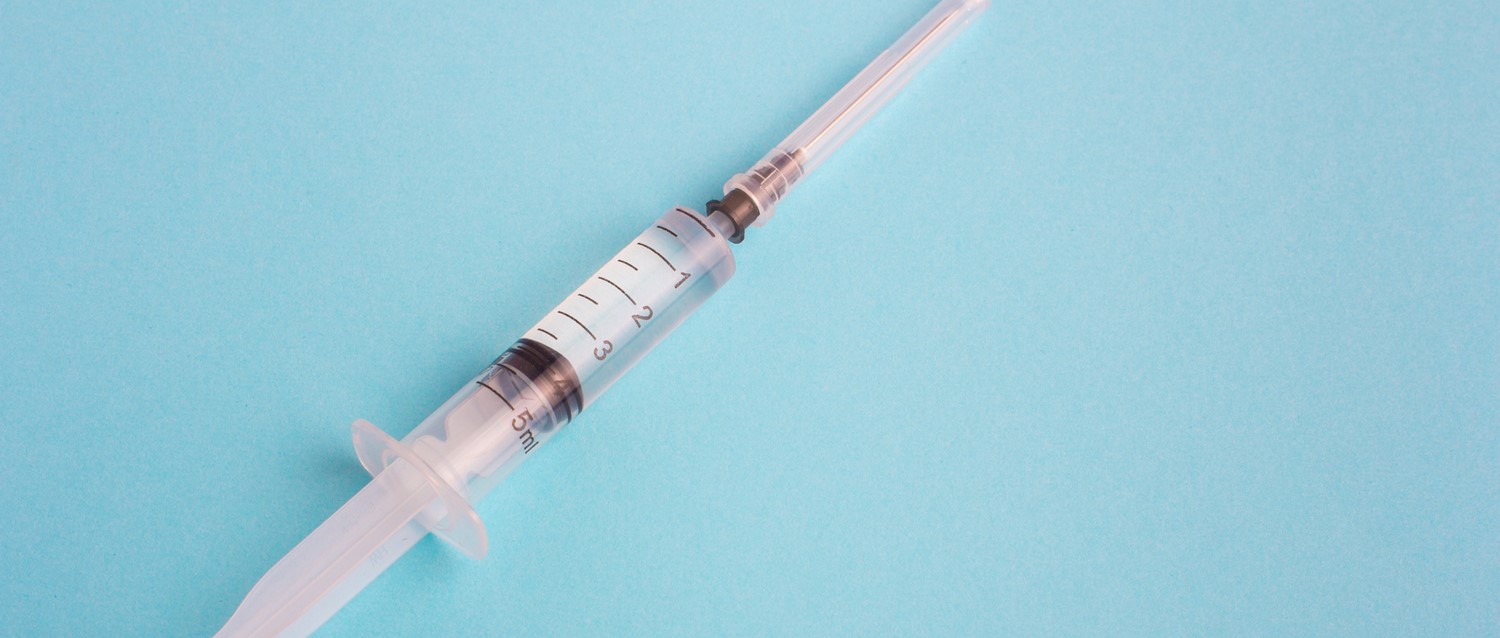
Offering HPV jab to boys will help prevent over 100,000 cancers
Peer reviewed by Natalie HealeyAuthored by Milly EvansOriginally published 9 Jul 2019
Meets Patient’s editorial guidelines
- DownloadDownload
- Share
- Language
- Discussion
- Audio Version
- Add to preferred sources on Google
As the HPV vaccination is being prepared to roll out to teenage boys in the UK, estimates suggest that the vaccination programme could prevent over 100,000 cancers by 2058.
As of September 2019, boys in school year 8 (ages 12-13) will be offered a free vaccination against human papillomavirus (HPV) for the first time.
The vaccination for girls has been available since 2008. So far 10 million doses of the vaccine have been given to young women in the UK, covering 80% of women aged 15-24.
HPV is the name for a group of viruses, some strains of which can cause cancer. The vast majority of people who are sexually active at any point in their lives will be exposed to HPV. Most people's bodies deal with the virus without there being any problems. However, for some people, HPV can cause genital warts and cancers, with cervical cancer being the most common. Cervical cancer kills around 850 women a year in the UK.
It is estimated that 5% of all cancers worldwide are linked to the HPV virus. HPV is the cause of 99% of cervical, 90% of anal, 70% of vaginal and vulval and 60% of penile cancers, as well as some cancers of the head and neck.
Based on this, the University of Warwick estimates that the HPV vaccination for girls and the current plan to introduce the jab for boys will have prevented more than 100,000 cancers in the UK by 2058.
Dr Mary Ramsay, head of immunisation at Public Health England, said: "Offering the vaccine to boys will not only protect them but will also prevent more cases of HPV-related cancers in girls and reduce the overall burden of these cancers in both men and women in the future. I encourage all parents of eligible boys and girls to make sure they take up the offer for this potentially life-saving vaccine. It's important not to delay vaccination, as the vaccine may be less effective as adolescents get older."
Recent research showed that the HPV vaccine is so effective that it could eradicate cervical cancer for developed countries in the next couple of decades. National cancer director at NHS England, Cally Palmer, reflected on the need to extend the vaccination programme to boys to create herd immunity against HPV. "By extending the HPV vaccine to boys, the NHS is taking an important step forward in our fight to prevent cancer - more people will be better protected, and the vaccine could help to eliminate cervical cancer in this country. Cancer survival is now at an all-time high, and the NHS Long Term Plan will save even more lives through enhanced screening and early diagnosis programmes to catch cancers sooner when they can be treated best."
Parents of boys who are going into year 8 should look out for information from their child's school to find out when they will be vaccinated and make sure that they catch up should they miss one of the two doses. Although there is no free vaccination programme for the men and boys who have missed out on this vaccine, men who have sex with men are in a higher risk group for HPV and are eligible for a free vaccine from sexual health clinics until the age of 45.
Patient picks for Vaccinations
Children's health
1 in 5 children starting primary school are not fully protected against serious illnesses
Around 1 in 5 children going back to school are not protected against several serious illnesses. Read here about why UK Health Security Agency (UKHSA) and NHS England urge you to check your child’s vaccination record and catch up on any missed jabs, and what illnesses the vaccinations protect against.
by Lawrence Higgins
Children's health
Why do kids need the flu jab?
This winter, the NHS is launching its biggest ever flu vaccination campaign. Doctors and virologists explain why, and how giving consent for your children's vaccinations helps protect kids - and everyone else.
by Ellie Broughton
About the authorView full bio
Authored by

Milly Evans
Editor
Milly writes on a range of health topics, with a particular interest in health inequality and sexual health.
About the reviewerView full bio

Natalie Healey
Freelance journalist
BSc (Hons) Biomedical Science
She is a London-based health journalist who has been writing about science and medicine for several years. She is the former head of editorial at Patient.
Article history
Article also available in English, German, Spanish, French, Italian, Portuguese, Hindi, Hebrew, Arabic, and Swedish.
9 Jul 2019 | Originally published
Authored by:
Milly EvansPeer reviewed by
Natalie Healey
Join the conversation
Share your thoughts or experiences with others in our patient communities.

Ask, share, connect.
Browse discussions, ask questions, and share experiences across hundreds of health topics.

Feeling unwell?
Assess your symptoms online for free
Sign up to the Patient newsletter
Your weekly dose of clear, trustworthy health advice - written to help you feel informed, confident and in control.
By subscribing you accept our Privacy Policy. You can unsubscribe at any time. We never sell your data.