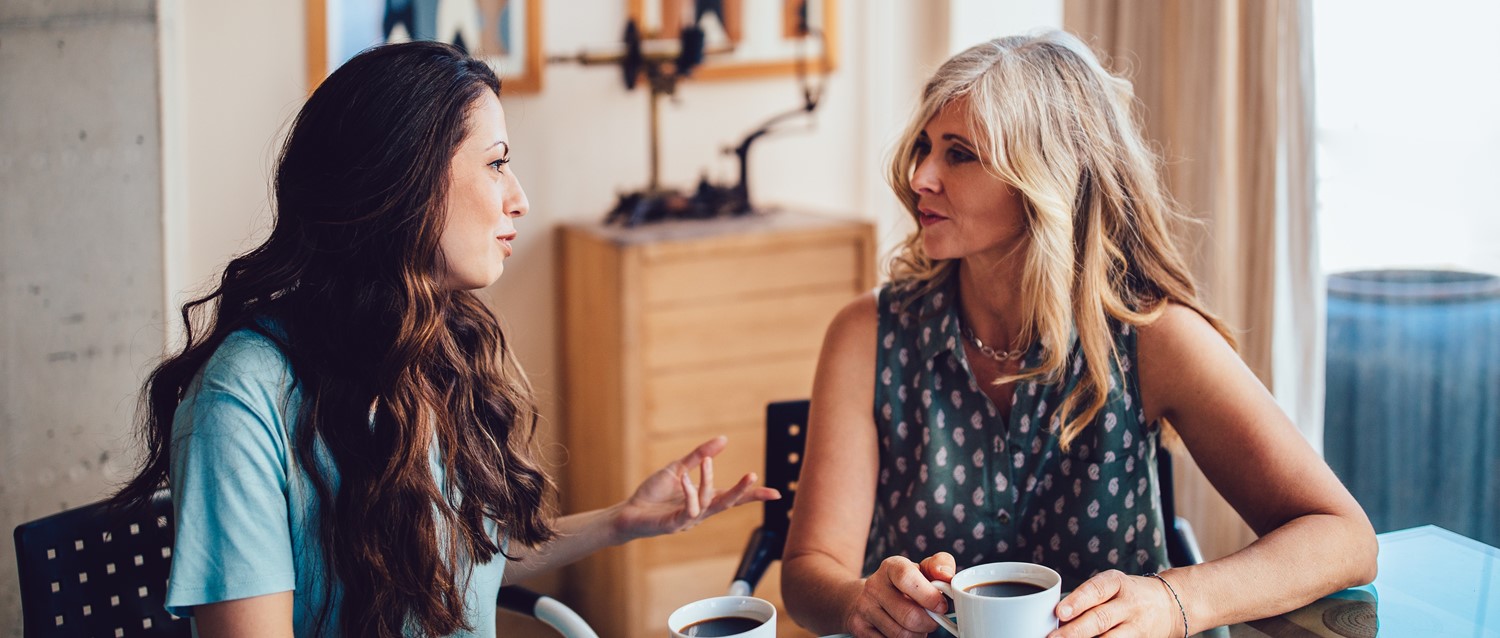
Coping strategies for life after cancer treatment
Peer reviewed by Dr Hayley Willacy, FRCGP Authored by Dr Sarah JarvisOriginally published 24 Mar 2018
Meets Patient’s editorial guidelines
- DownloadDownload
- Share
- Language
- Discussion
- Audio Version
- Add to preferred sources on Google
There is lots of good news about cancer. Today in the UK, half of people diagnosed with the illness survive for at least five years.
Even so, for the one person in three diagnosed with cancer during their life, it's still a terrifying journey. And many people take longer to get back to normal than they realised, even if they have physically recovered.
You've heard that most dreaded phrase, 'You've got cancer'. You've coped with the initial shock and been swept through a maze of hospital departments and doctors' offices. You've had your first phase of treatment. But what now?
My patients diagnosed with cancer these days have overwhelmingly positive stories of their experiences of treatment. Charities like Maggie's and Breast Cancer Haven, along with Macmillan Cancer Support, mean they don't have to go through the journey alone. But once that initial stage of treatment is over, all too many of them report being 'dropped' and left to fend for themselves.
And that's a problem because many people live in constant fear of their cancer returning. And up to 1 in 4 may experience long-term side effects, including debilitating tiredness and bladder or bowel incontinence.
Coping with the physical
Cancer is a serious condition which demands serious treatment, and that often means side effects which can last for months or even years.
Physical changes after cancer come in all shapes and forms - scars, your weight, your hair. These would be difficult to cope with even if they didn't act as a constant reminder of what you've been through.
Body changes that can't be seen can cause distress too - these could be infertility, or changes to your bladder or bowel function.
Do speak to your medical team about talking through your feelings and getting appropriate treatment. Your doctor may give you medication or suggest regimes (such as pelvic floor exercises) you can do if you're experiencing bowel or bladder problems.
Getting back in control
Once your initial treatment is over, it's not surprising that many people lose confidence or feel isolated or depressed. If you can, share your feelings with friends and family - they may be desperate to help.
And it's completely normal to feel uncertain after cancer treatment and worry that it might come back. It doesn't mean you're not coping, it just means you're human. However, there are ways of managing your anxieties that prevent them taking over your life. Your GP can also refer you to services that will help.
It's also a good idea to reach out to friends and family. You don't have to put on a brave face for them - your loved ones want to know how you really feel so they can best support you. But you may find it easier to speak to a professional or another cancer survivor - try Macmillan Cancer Support's online community.
Effects of longer-term treatment
If you're a woman with breast cancer or a man with prostate cancer, your doctor will often recommend hormone medication for some years after your initial treatment. Many people cope well with these medicines, but side effects are not uncommon. They include tiredness, hot flushes, feeling sick, mood swings and painful joints.
Unfortunately, quite a lot of people stop treatment within a couple of years because of side effects, or just because they feel 'normal' and don't think they need it any more. But longer-term medication is given for a reason - studies show that taking some hormone treatments for five years, and others for ten, can reduce the risk of recurrence compared to shorter courses.
So if you do find you're getting side effects, speak with your GP or hospital team to see if there are ways of reducing the side effects or a possibility of an alternative with fewer side effects. Of course, if you are having side effects you need to weigh up the short-term down-sides against the long-term benefits. But when these benefits include a significantly higher chance of staying cancer-free, think seriously about sticking with them if you possibly can.
Sex and relationships
Hormone treatments for breast cancer can lower your desire - but so can depression and anxiety about your appearance after cancer. Your partner may put off intimate relations for fear of hurting you.
It's good to talk - share your concerns with them and start with some cuddling to get that warm, wanting feeling back.
But if sexual problems aren't getting better over time, it's well worth talking with your doctor or cancer nurse. Don't be embarrassed - they're honestly there to help and are used to giving advice about intimate problems. They can also refer you to a sex therapist if necessary.
Don't suffer in silence
The crucial thing to remember is that you don't have to suffer in silence, or alone. The NHS is far more geared up than it was to provide support, and the remarkable people working with teams like Macmillan Cancer Support really do understand. They're there to help - use them.
Patient picks for Information about cancer
Cancer
Just one year of being overweight lowers chances of cancer survival
A new study has found that being overweight for just one year in your twenties and thirties makes you less likely to survive breast or bowel cancer later in life.
by Milly Evans
Cancer
Supporting a loved one with a cancer diagnosis
Dealing with a cancer diagnosis can be tough at the best of times, but even more so in the current climate. If a friend or family member is diagnosed or undergoing treatment during this difficult time our instincts will be to help. But with visits possibly out of the question, how can we offer appropriate support without risking a loved-one's health?
by Gillian Harvey
About the authorView full bio
Authored by

Dr Sarah Jarvis
Clinical Consultant
MA (Cantab), BM, BCh (Oxon), DRCOG, FRCGP, MBE
After training in medicine at Cambridge and Oxford, Dr Sarah Jarvis MBE became a GP.
About the reviewerView full bio

Dr Hayley Willacy, FRCGP
General Practitioner, Medical Author
MBChB (1992), DRCOG, DFFP, MRCOG (Part 1) MRCGP (2007), DFSRH (2013), MSc - medical education (2020)
Dr Hayley Willacy was an NHS GP working in northwest England, who retired from clinical practice in 2022 after 30 years.
Article history
Article also available in English, German, Spanish, French, Italian, Portuguese, Hindi, Hebrew, Arabic, and Swedish.
24 Mar 2018 | Originally published
Authored by:
Dr Sarah JarvisPeer reviewed by
Dr Hayley Willacy, FRCGP
Join the conversation
Share your thoughts or experiences with others in our patient communities.

Ask, share, connect.
Browse discussions, ask questions, and share experiences across hundreds of health topics.

Feeling unwell?
Assess your symptoms online for free
Sign up to the Patient newsletter
Your weekly dose of clear, trustworthy health advice - written to help you feel informed, confident and in control.
By subscribing you accept our Privacy Policy. You can unsubscribe at any time. We never sell your data.