Screenings you should have to help prevent health problems
Peer reviewed by Dr Krishna Vakharia, MRCGPAuthored by Dr Sarah JarvisOriginally published 13 Feb 2024
Meets Patient’s editorial guidelines
- DownloadDownload
- Share
- Language
- Discussion
- Audio Version
- Add to preferred sources on Google
As a nation, we're doing very well health-wise. In the last 50 years, average life expectancy has increased by almost 10 years in the UK. So today, the average man lives until 79 years old and the average woman to almost 83. A lot of that is down to improved treatments - for heart attack, stroke, cancer and more.
But much of this good news is down to screening - which lets doctors pick up conditions early, when treatment is more likely to be effective.
What regular health checks do you need?
Screenings are health checks for specific conditions and diseases. You attend screenings before you have any symptoms, as the aim is to identify a problem in its earliest stages when it's easier to prevent or treat. The NHS has multiple national screening programmes - if you take up screening when it's offered, you can stack the odds of a healthy older age in your favour.
It's also worth noting that:
All men are offered a painless check for a swelling in the aorta - the largest blood vessel - when they reach 65.
Vaccinations aren't health checks but they can be life-saving - speak to your practice nurse about whether yours are up to date.
Here are some of the most important regular screenings available in the UK.
Breast screening
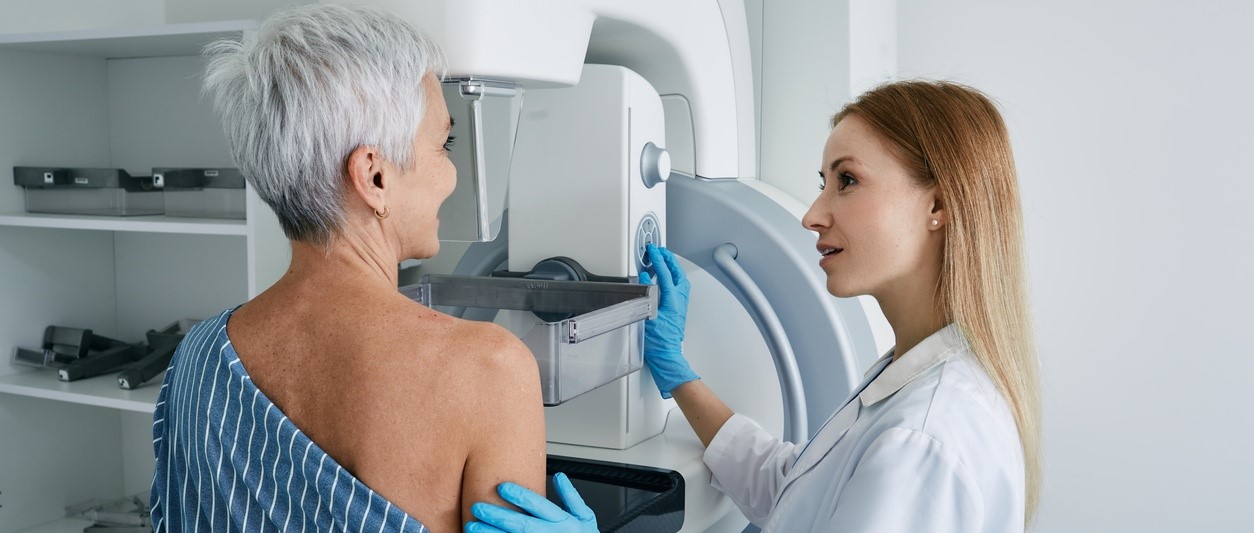
Breast screening is offered to all women in the UK every 3 years, starting from some time in the 3 years after you turn 50 until you turn 70. After that, you can request screening every 3 years by phoning your local breast screening service. In some areas, screening invitations are being offered to women once they reach 47.
Breast screening involves a mammogram - an X-ray of both breasts that takes just a few minutes. My last one was in a mobile unit in a supermarket car park - the scans here are just as reliable as those done in hospital.
You'll usually get the all clear after breast screening within a couple of weeks. If there's any abnormality, you'll be invited for further tests at a hospital clinic. This may involve a painless ultrasound scan and a biopsy of breast tissue, taken with a needle.
It's estimated that breast screening saves 1,300 lives a year. It is important to bear in mind that this screening isn't 100% accurate - screening cannot always tell the difference between changes that would not cause any harm and aggressive breast cancer. So it's thought that for every woman whose life is saved by breast screening, three women end up having unnecessary treatment. You must weigh up the risks and benefits for yourself.
Cervical screening
Cervical screening (smear testing) checks for a virus called HPV, which causes virtually all cases of cervical cancer.
You'll be invited every 5 years until you're 65 years old. In Scotland and Wales, this is every 5 years from age 25, and in England and Northern Ireland, it's every 3 years from 25-49 and then every 5 years. If any of your 3 most recent cervical screening results were abnormal, you may keep getting invitations even if you're over 65.
Cervical screening lets doctors identify people who are at higher risk of cervical cancer, and can allow them to treat potentially cancerous cell changes before cancer develops - so it can actually stop you getting cervical cancer.
Bowel cancer screening
Bowel cancer is the fourth most common cause of cancer in the UK. A simple poo sample - called a Faecal Immunochemical Test (FIT) - is sent in the post to everyone every 2 years from at least the age of 60-74. For those under 60 the NHS bowel cancer screening programme is different across England, Scotland, Wales and Northern Ireland.
This simple test involves taking a tiny sample of poo in the privacy of your own bathroom using the plastic stick provided, popping it in the sample bottle and posting it for free, to be tested. The test picks up signs of cancer before you notice anything wrong.
49 out of 50 people get the all-clear after testing - but if your test is abnormal, you'll be invited for a further test using a small flexible telescope to examine the inside of your bowel. Most people get the all-clear at this stage - but if there is evidence of bowel cancer, picking it up early greatly increases your chance of a full recovery.
Detecting bowel cancer at the earliest stage makes you up to 9 times more likely to be successfully treated. And polyps, which could go on to cause cancer, can be picked up at the telescopic examination, so it could stop you going on to develop cancer.
Around 1 in 3 people who were sent an NHS bowel cancer screening kit in England last year did not go on to complete it. If you receive an invitation, use it - it could save your life.
Knowing your numbers
I talk a lot to my patients about 'knowing their numbers' - that means your cholesterol and blood pressure levels. High cholesterol and blood pressure are two of the biggest risk factors for stroke and heart attack - but you won't know you have them unless you have them checked.
If you're not on treatment for conditions like high blood pressure, heart disease or diabetes and haven't had your cholesterol and blood pressure checked recently, now is the time. Speak to your practice nurse or pharmacist about getting a free NHS health check - you can get personalised advice on how to reduce your risk and your pharmacist will refer you to your GP if tablet treatment might be needed.
With thanks to My Weekly magazine, where this article was originally published.
Patient picks for Screening tests

Cancer
What to expect during a breast screening
To help detect early breast cancers, all women in the UK aged 50 to their 71st birthday are invited for NHS breast screening every three years. We ask the experts the important questions about breast screening and find out what to expect during the procedure.
by Sally Turner

Cancer
What is bowel cancer screening - and why do you need it?
Many people put off bowel cancer screening. Some feel embarrassed about collecting a stool sample, while others worry about what the result might show. Busy schedules, a lack of symptoms and the belief that bowel cancer only affects older people can also lead people to ignore their invitation. However, bowel cancer screening is one of the most effective ways to detect bowel cancer early, before symptoms develop. In some cases, it can even help prevent cancer from developing in the first place. The test is quick, free and can be completed from home.
by Josh Alderman
About the authorView full bio

Dr Sarah Jarvis
Clinical Consultant
MA (Cantab), BM, BCh (Oxon), DRCOG, FRCGP, MBE
After training in medicine at Cambridge and Oxford, Dr Sarah Jarvis MBE became a GP.
About the reviewerView full bio

Dr Krishna Vakharia, MRCGP
Chief Medical Officer for Health, Optum UK
MBChB, MRCGP(2013), BMedSci (hons), DFSRH, DRCOG, PGDipDerm (Distn)
Dr Krishna Vakharia is an NHS GP. She is also a regular examiner for the postgraduate Diploma in Practical Dermatology at Cardiff University as well as being the Chief Medical Officer for health at Optum UK.
Article history
Article also available in English, German, Spanish, French, Italian, Portuguese, Hindi, Hebrew, Arabic, and Swedish.
13 Feb 2024 | Originally published
Authored by:
Dr Sarah JarvisPeer reviewed by
Dr Krishna Vakharia, MRCGP
Join the conversation
Share your thoughts or experiences with others in our patient communities.

Ask, share, connect.
Browse discussions, ask questions, and share experiences across hundreds of health topics.

Feeling unwell?
Assess your symptoms online for free
Sign up to the Patient newsletter
Your weekly dose of clear, trustworthy health advice - written to help you feel informed, confident and in control.
By subscribing you accept our Privacy Policy. You can unsubscribe at any time. We never sell your data.
More in tests and investigations
- Can a new blood test detect lung cancer early?
- Can you be too old for a smear test?
- Do lesbian and bisexual women still need smear tests?
- Early brain scans can predict MS prognosis
- How accurate are prostate cancer tests?
- How to get over smear test fear
- Is DNA testing a good idea?
- New blood test may detect aggressive prostate cancer
- PSA testing options
- Review: Home cholesterol testing kits
- Smear test myths you need to stop believing
- Urine test for prostate cancer could reveal who needs urgent treatment
- What an abnormal smear test result could mean
- What is bowel cancer screening - and why do you need it?
- What is the COVID-19 antibody blood test and should I get one?
- What to expect at your first ultrasound scan
- What to expect during a breast screening
- Why bowel cancer screening is so important
- Why do transgender people struggle to get cervical screening?
- Women with physical disabilities denied access to smear tests