Chemical peels: benefits, costs, risks, and recovery
Peer reviewed by Dr Colin Tidy, MRCGPLast updated by Emily Jane BashforthLast updated 29 Jul 2022
Meets Patient’s editorial guidelines
- DownloadDownload
- Share
- Language
- Discussion
- Audio Version
- Add to preferred sources on Google
Chemical peels have become increasingly popular as a means of tackling uneven skin texture, anti-ageing, tightening, diminishing fine lines, and more. But do they work?
In this article:
Video picks for Skincare
Continue reading below
What is a chemical peel and what do they do?
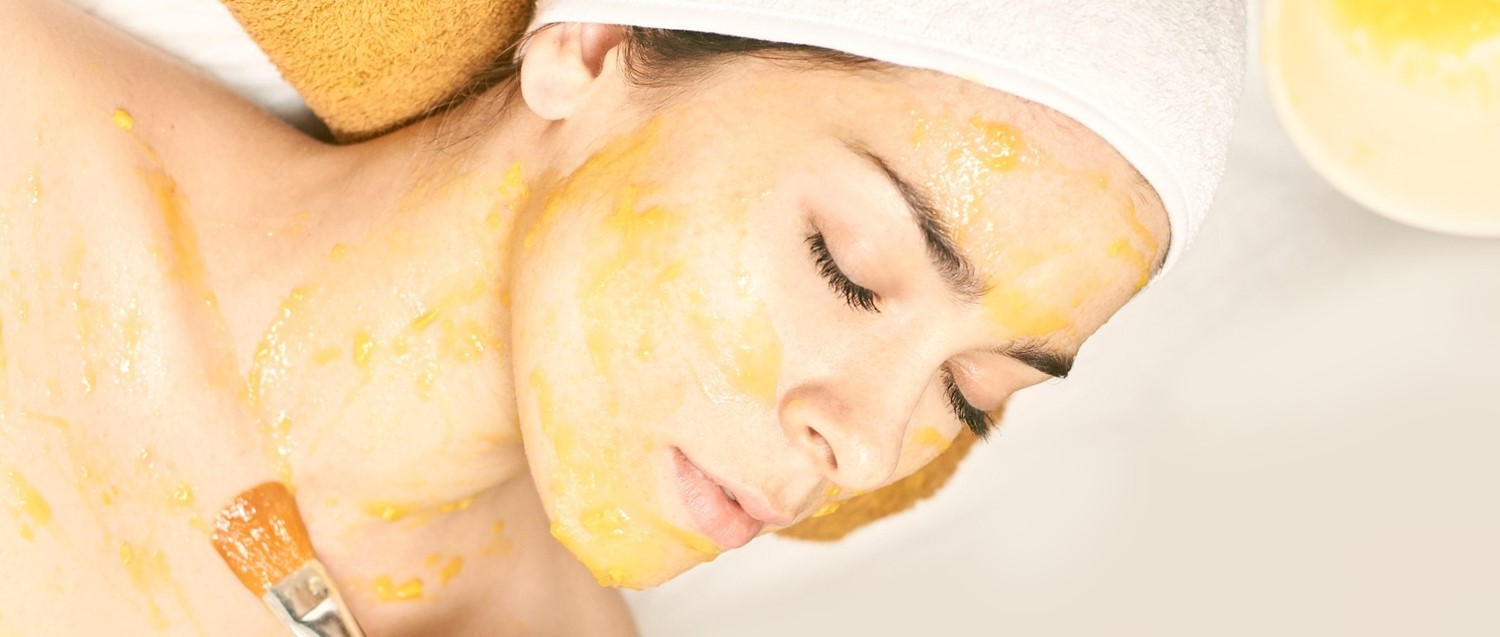
You may have heard of chemical peels, but what exactly are they? Well, chemical peels are cosmetic procedures. A chemical peel involves applying an acid solution to the face, which is then neutralised after a specific amount of time. It causes a controlled injury to the skin which encourages stimulation and recovery, removing dead skin cells ahead of growth and repair.
There are three types of chemical peels:
Back to contents1. Superficial chemical peel
Also known as a light chemical peel, a superficial peel removes the outermost layer of skin -epidermis. This is a treatment you might have every two to five weeks.
Superficial chemical peels are used to:
Improve dry skin.
Smooth skin.
Reduce wrinkles.
Reduce blemishes.
Reduce pigmentation.
Minimise the appearance of fine lines.
Improve age spots.
Reduce acne scars.
Although most commonly used on the face, superficial chemical peels can be used on the neck and body too. For example, if someone is prone to acne on the back or chest, a superficial peel might help.
2. Medium chemical peel
While a superficial chemical peel removes the outer layer of skin, a medium peel removes skin cells from both the epidermis and portions of the dermis - the upper part of your middle layer of skin.
Medium chemical peels are used to:
Treat wrinkles.
Reduce acne scars.
Even out skin tone.
As a medium peel usually aims to tackle deep-rooted areas of the skin - such as scarring - you might need to repeat the procedure a few times to see results.
3. Deep chemical peel
The third type is a deep chemical peel - a surgical procedure which penetrates deeper and removes dead skin cells. This peel might be recommended for deeper wrinkles or more stubborn scarring.
A deep peel aims to resurface discoloured, wrinkled, or scarred skin by using a chemical solution to smooth its texture by removing any damaged outer layers.
Continue reading below
Do chemical peels work for blackheads, hyperpigmentation, and under-eye bags?
Back to contentsDr Aneesha Ahmad, GP, dermatologist, and medical director of Skyn Doctor, explains that chemical peels can be effective at removing blackheads and minimising the appearance of pores and fine lines.
For blackheads - which are a result of clogged pores - dermatologists and cosmetic professionals might recommend methods such as microdermabrasion, laser therapy, or even manual removal. But chemical peels are also a possibility for removing blackheads on the nose.
While over-the-counter mild chemical peels are available to purchase, more noticeable results are likely to come from stronger peels administered by professionals, which reveal smoother, healthier skin underneath.
"Chemical peels are cosmetic treatments, so I believe a consultation is always advised so the correct peel is used for your skin type or to target a specific condition. A professional can also explain the process to you, answer any questions, and inform you on what to do before and after treatment," adds Dr Ahmad.
How do chemical peels treat acne scars?
Back to contentsAcne scarring and redness can have a great impact on self-esteem. As mentioned, peels can treat long-standing acne scars, which many people struggle with even after their condition has cleared up.
But how exactly does this happen? Dr Ahmad says one specific peel that can aid with scars is a trichloroacetic acid (TCA) peel. A TCA peel is a non-invasive treatment which gets its name from the trichloroacetic acid that is used to clear away dead cells and old skin to reveal new, healthy skin that is usually smoother and appears less scarred underneath.
Continue reading below
How much is a chemical peel and is it really worth it?
Back to contentsPeels range in price: They start from around £80 and go anywhere up to £500, depending on their depth and the clinic chosen.
However, the results of a chemical peel tend to last longer when it is stronger. While the deeper peels are more expensive, paying out for one, if you’re able to, can reduce the number of times you need to repeat the process and spend again. While lighter peels can last for one month, the effects of intense peels can last for the rest of your life.
The question of whether or not a chemical peel is worth it really depends on the individual and their skin type.
A type of peel that works for one person might not work for another. For example, medium and deep chemical peels are typically avoided in darker skin tones, since they present an increased risk of scarring and hyperpigmentation. The time required for healing post-peel increases with the depth of the chemical peel, as does the potential for adverse reactions.
Do chemical peels hurt?
Back to contents"During a chemical peel, you tend to feel a tingling or stinging sensation on your skin, but this doesn't last for very long. Deeper peels may cause the skin to feel hot for a short period of time," says Dr Ahmad.
"For the first 24 hours or so after your chemical peel, you may notice that your skin appears red. We would usually suggest a downtime of three or four days, including not using harsh products, but this depends on the intensity of the peel."
How to treat your skin after a chemical peel
Back to contentsWhen it comes to the recovery process following a chemical peel, you should always follow the skincare routine advised by your dermatologist, as this will be specially curated based on your skin type and condition.
But Dr Ahmad does stress how essential sun protection is following a peel as your skin is likely to be more vulnerable to sun exposure and susceptible to sun damage if a layer has just been removed.
Patient picks for Skincare

Skin, nail and hair health
What is skinimalism, and is it good for your skin?
Skinimalism may sound like a mouthful, but the idea behind this skincare trend is refreshingly simple. It’s all about streamlining your routine to focus on the essentials. In this article, we’ll explore what skinimalism is all about, what an expert has to say, and how you can decide whether it’s the right approach for you.
by Victoria Raw
Skin, nail and hair health
How to care for black skin during winter
If you have black skin, there are certain habits you can adopt in order to keep your skin feeling and looking healthy, and to avoid problems during the cold winter. Getting to know your skin and how it changes throughout the year, and also how different products work, can help you construct a trusty routine to keep your skin hydrated and happy.
by Emily Jane Bashforth
Continue reading below
About the authorView full bio

Emily Jane Bashforth
Feature Writer
NCTJ
Emily is a Feature Writer with Patient, writing articles on a variety of topics relating to health and well-being.
About the reviewerView full bio

Dr Colin Tidy, MRCGP
General Practitioner, Medical Author
MBBS, MRCGP, MRCP (Paediatrics), DCH
Dr Colin Tidy is an NHS Doctor, based in Oxfordshire.
Article history
The information on this page is peer reviewed by qualified clinicians.
29 Jul 2022 | Latest version

Ask, share, connect.
Browse discussions, ask questions, and share experiences across hundreds of health topics.

Feeling unwell?
Assess your symptoms online for free
Sign up to the Patient newsletter
Your weekly dose of clear, trustworthy health advice - written to help you feel informed, confident and in control.
By subscribing you accept our Privacy Policy. You can unsubscribe at any time. We never sell your data.