Time Under Tension
Published 26 Nov 2026
Meets Patient’s editorial guidelines
Watch this video
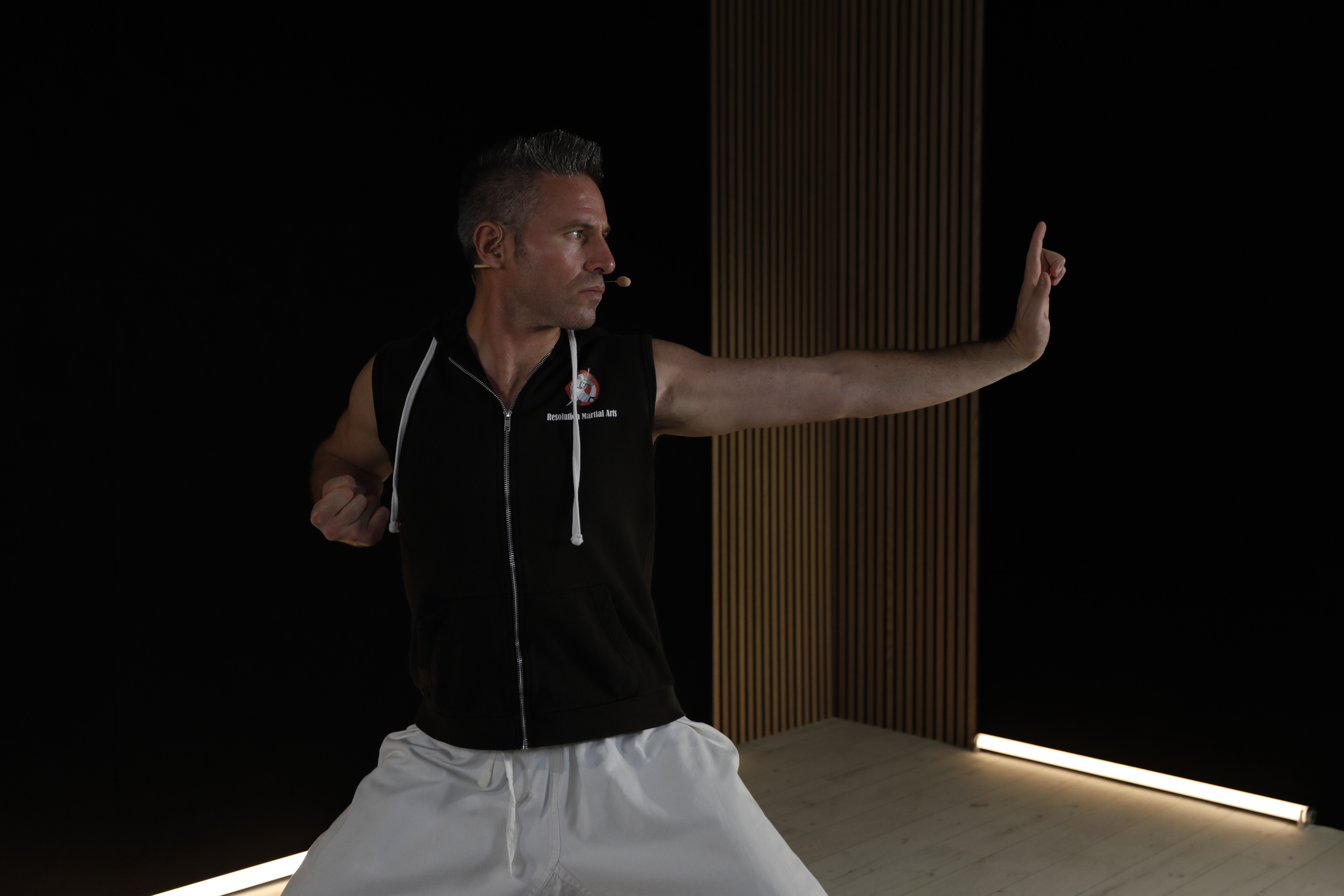
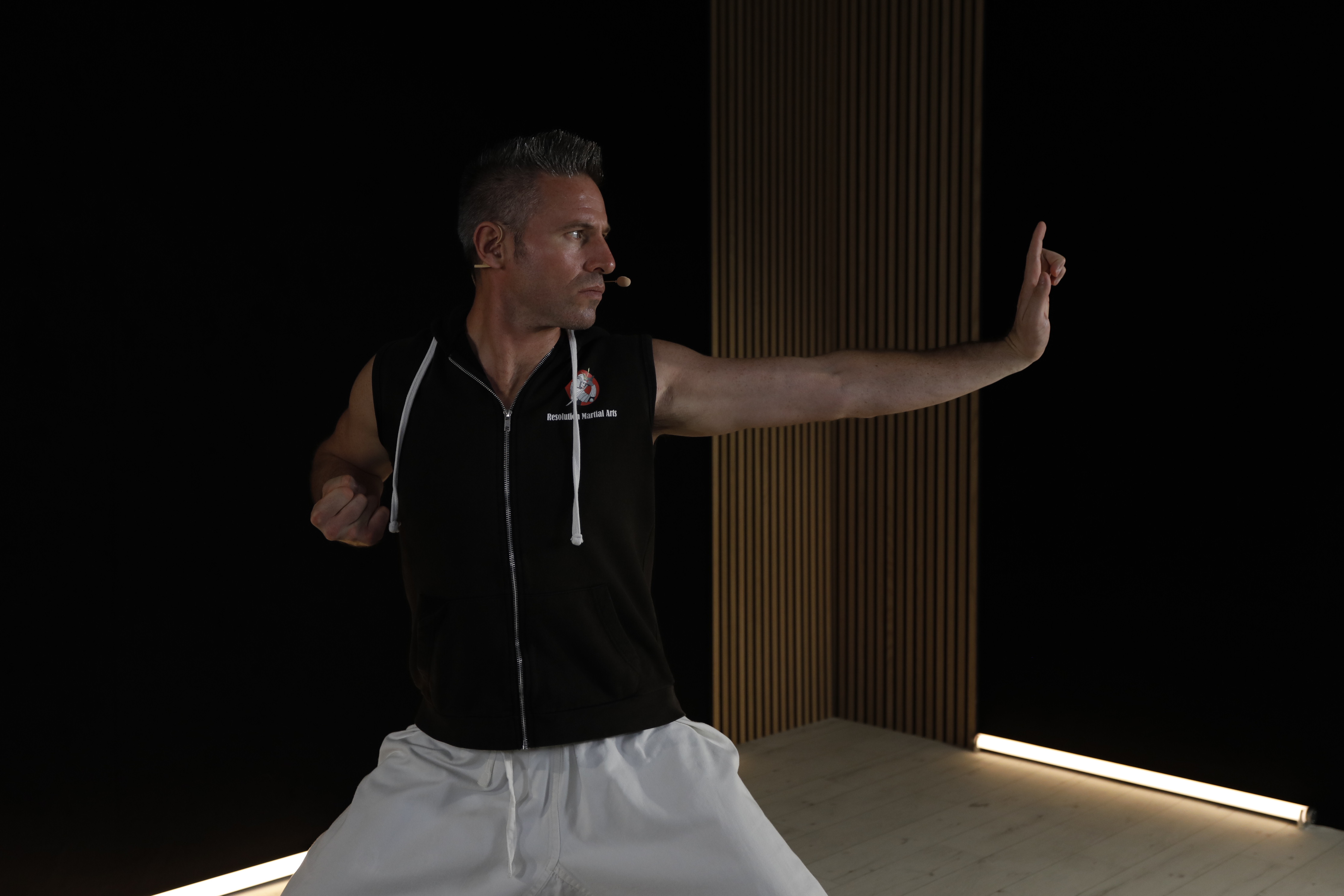
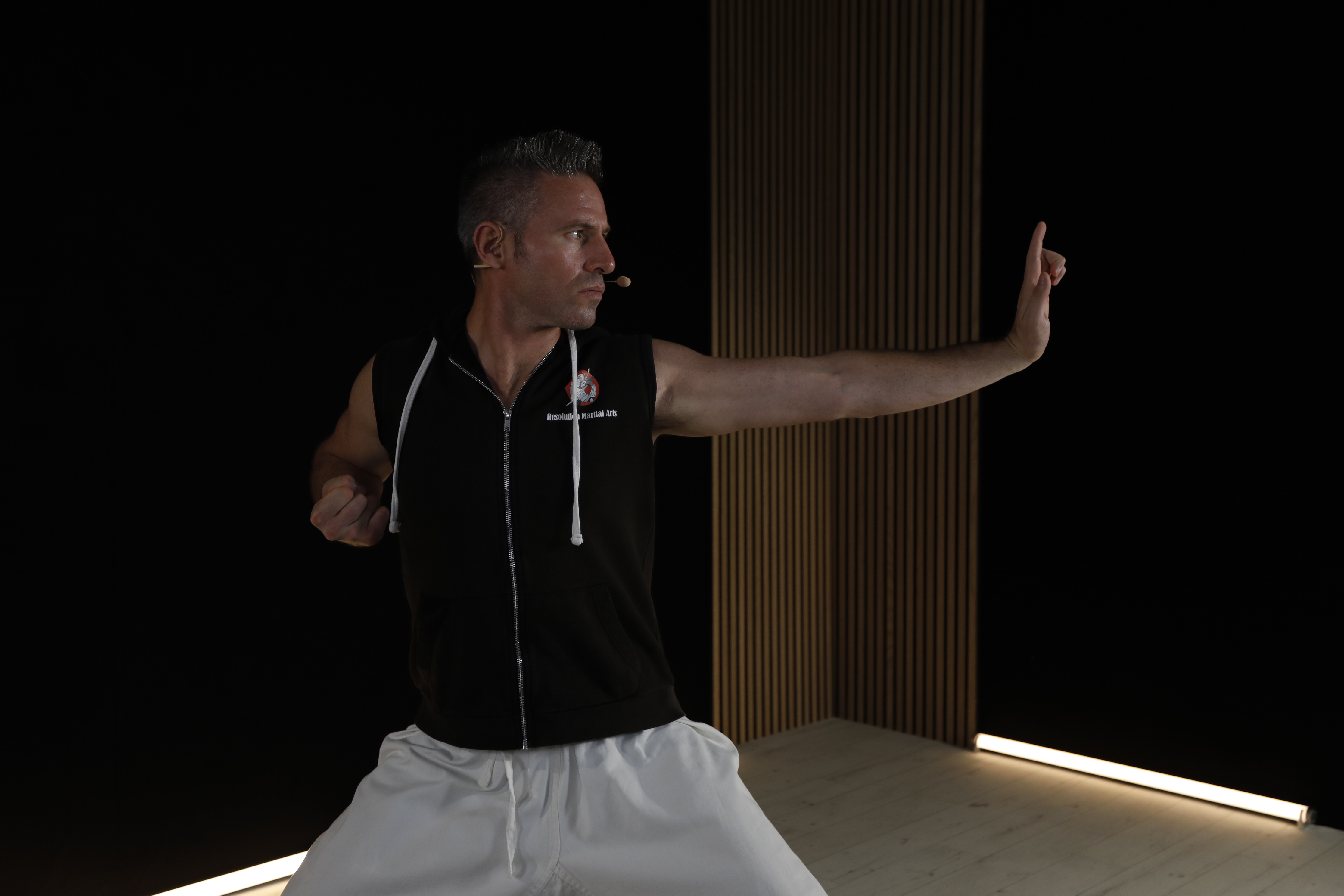
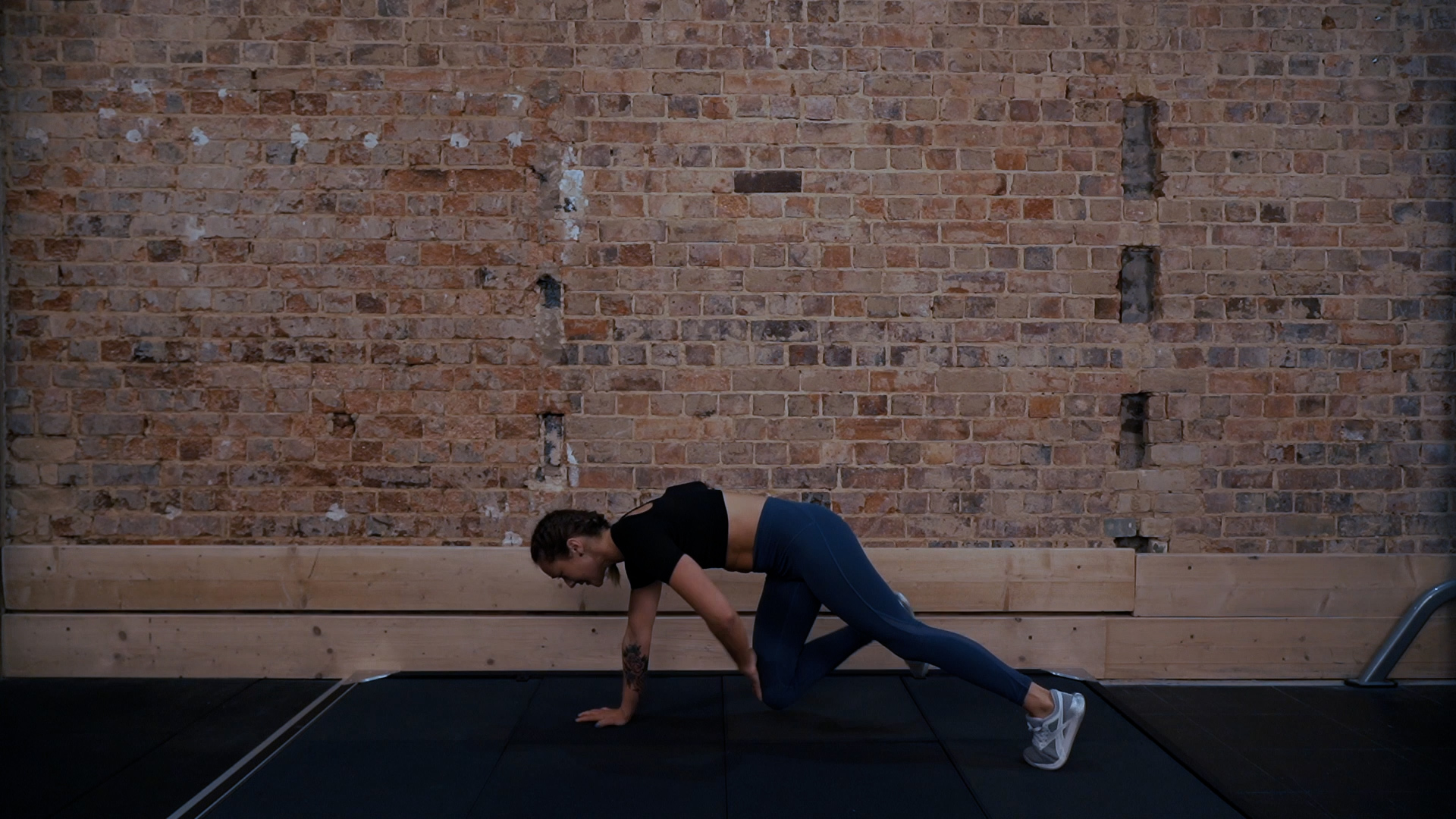
John's Time Under Tension workout is designed to maximize muscle engagement. Feel the burn and build strength like never before.

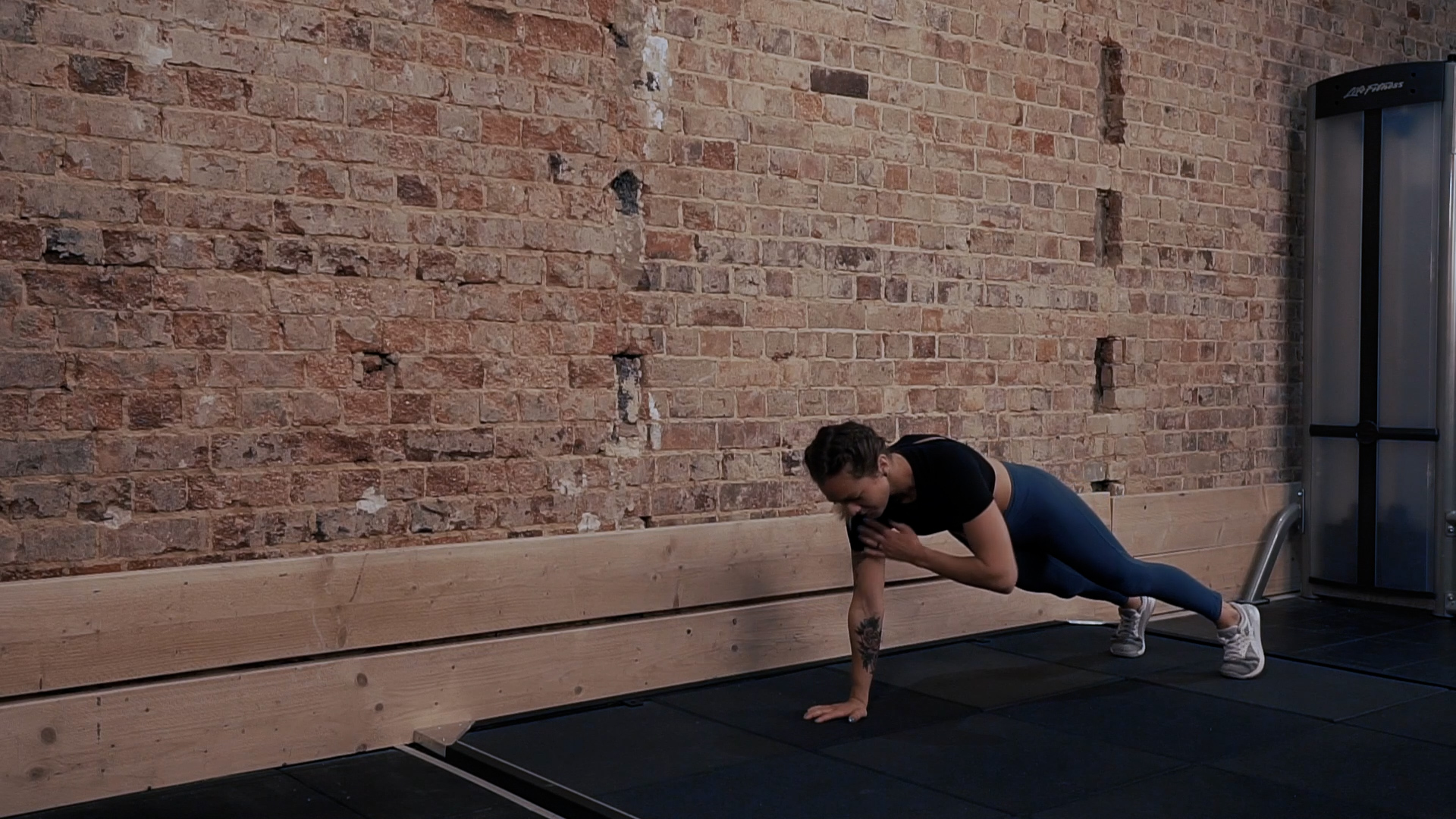
Video details
Brain and nerves
Tension headache
Tension headache is the most common form of headache. Painkillers, taken only when needed for the pain, work well in most cases. Attention to lifestyle factors, such as stress, posture and exercise, may help to prevent headaches. Medication to prevent headaches may help those who have frequent tension-type headaches.
by Dr Colin Tidy, MRCGP
Brain and nerves
Chronic tension headache
Chronic tension headache is a condition where you have a tension headache on at least 15 days every month for at least three months. The cause of chronic tension headache is often not clear. A medicine called amitriptyline may help to prevent the headaches from occurring.
by Dr Doug McKechnie, MRCGP
Brain and nerves
Breaking free from masking: how to understand and overcome it
Masking - also known as camouflaging - is a common behaviour in people with neurodiverse conditions such as ADHD. It often involves hiding or downplaying neurodivergent traits to blend in with social norms. While masking can sometimes help people manage certain situations, it can also take a toll on your mental health. We explore the emotional and psychological effects of masking and share some practical tips on how to reduce your need to mask and embrace your authentic self.
by Victoria Raw

Mental health
Parental burnout: your guide to understanding and overcoming it
Parenting is often one of life’s most rewarding roles - but it’s also one of the toughest. Caring for another human being, whether a toddler or a teenager, demands a constant supply of time, energy, and emotional strength. The joy is real, but so are the challenges. With insights from a psychotherapist, we share tips on recognising parental burnout - along with some practical steps to address and prevent it.
by Victoria Raw

Mental health
Exam time: stress-relieving toys and gadgets
Stress toys - such as fidget spinners, stress balls, and cubes - are a popular way to help manage stress and anxiety, and they are never more popular than during exam time. But are these gadgets just a fad, or is there any point to them? We explore the most popular stress-busting tools and the science behind them.
by Amberley Davis
Treatment and medication
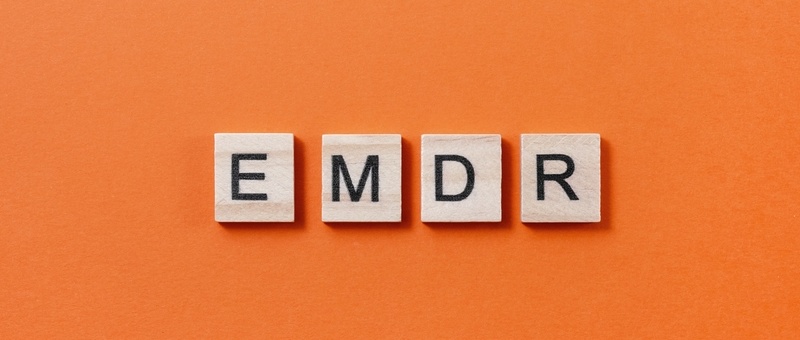
Understanding EMDR: how can eye movements help process trauma?
From Prince Harry to Lady Gaga, you may have read about high-profile figures championing EMDR as a powerful tool for psychological healing. Eye movement desensitisation and reprocessing (EMDR) is a specialised therapeutic technique used by psychotherapists to treat people navigating the aftermath of trauma - particularly those living with post-traumatic stress disorder (PTSD). We asked a health expert to explain exactly what the process involves, the theory behind how it works, the evidence for its effectiveness, and how to determine if it might be the right path for your own recovery.
by Victoria Raw
Share your thoughts or experiences with others in our patient communities.