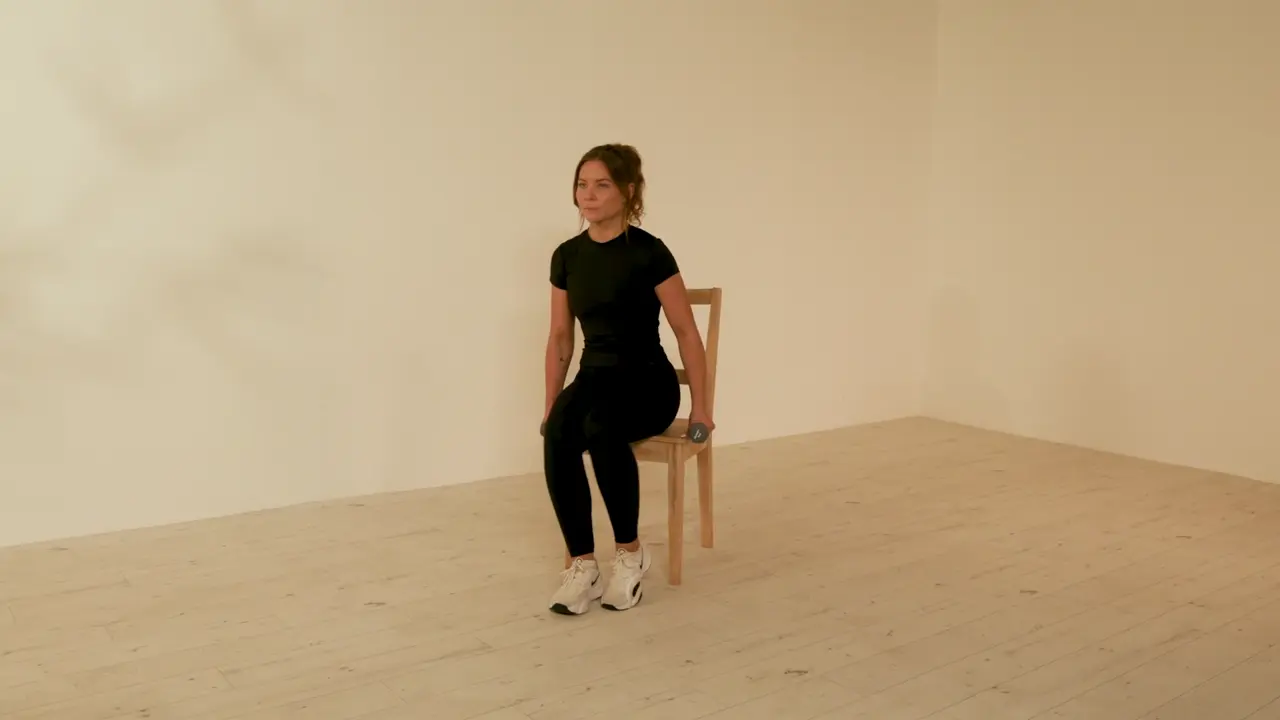
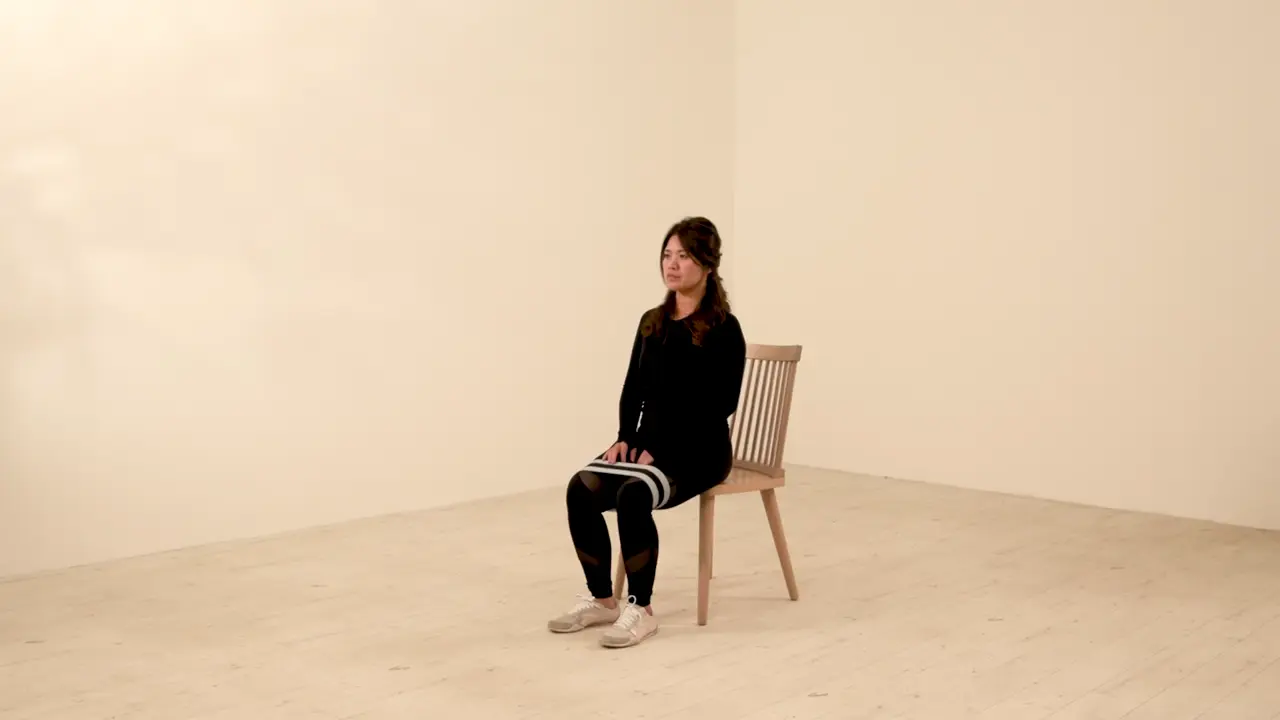
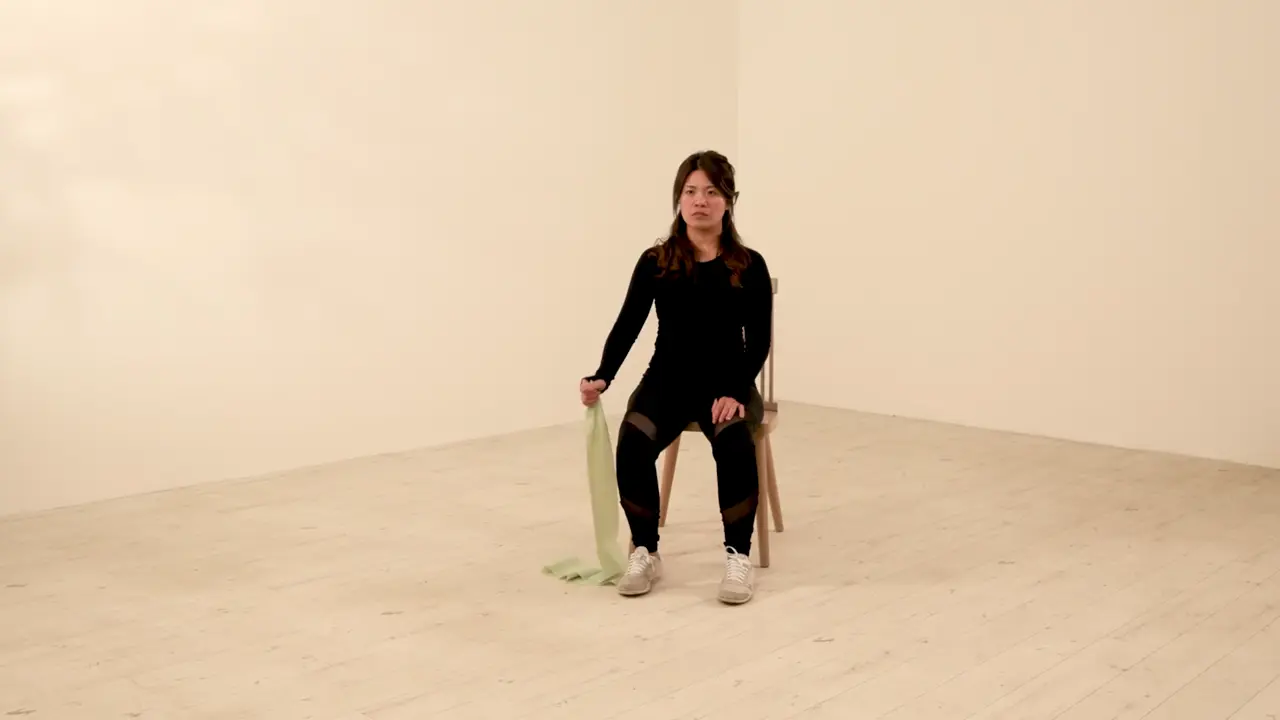
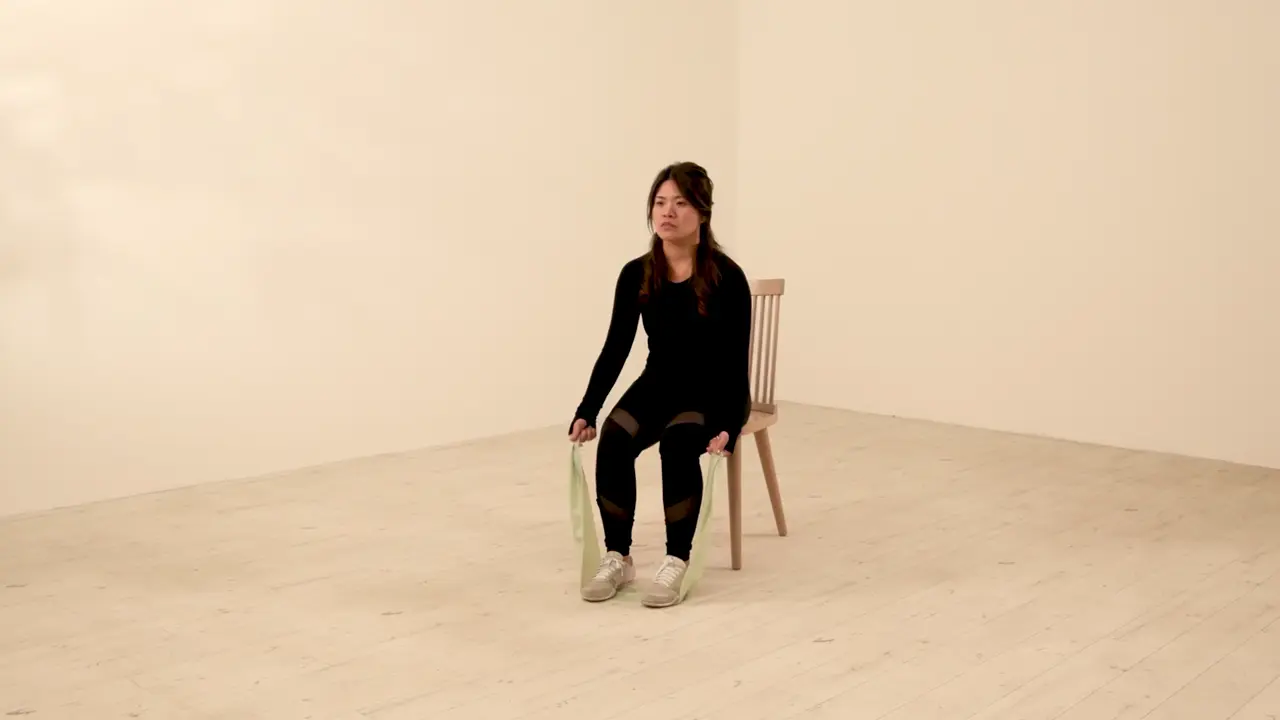
Dumbbell Sit to Stand
Published 10 Nov 202645 sec watch
Meets Patient’s editorial guidelines
- Share
- Discussion
- Ask Patient
- Audio Version
- Add to preferred sources on Google
This dumbbell sit to stand exercise primarily targets the lower body muscles, including the quadriceps, hamstrings, and glutes, as well as the core muscles for stability.
Video details
Patient picks

Patient information leaflet
Stress management
This leaflet gives some general tips on how to manage stress. However, contact a doctor if you develop persistent anxiety symptoms. For example, a gentle stroll or a sit in the park often helps to break out of life's stressful hustle and bustle. Exercise and maintain a healthy diet Many people feel that regular physical activity Exercise and.

Feature
How modern life affects your weight - beyond diet and exercise
If our bodies are designed to regulate our weight, why are more people living with obesity than ever before. Loos RJF & Yeo GSH: The genetics of obesity: from discovery to biology. Much of the energy we burn through movement comes from everyday activities such as walking, climbing stairs, doing housework, standing, and even fidgeting. However,.
Patient information leaflet
Repetitive strain injury
Repetitive strain injury (RSI) is a condition where pain and other symptoms occur in an area of the body which has done repetitive tasks (often the arms, wrists or hands). Repetitive strain means strain related to actions which are frequently repeated. What is repetitive strain injury. The term repetitive strain injury (RSI) is used to describe a.
Feature
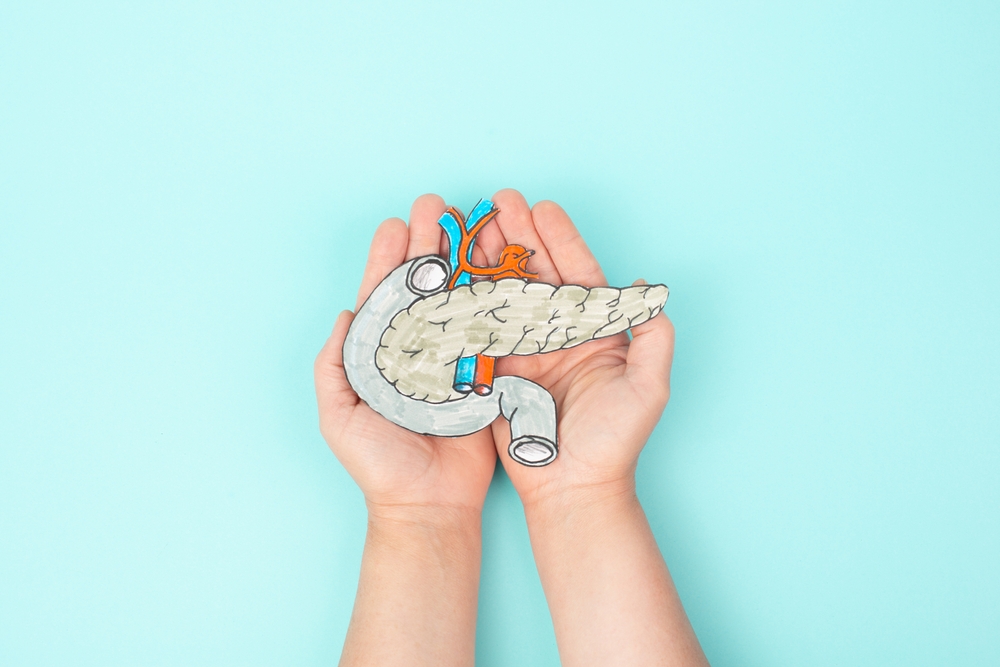
Insulin resistance: the common thread linking metabolic conditions
Dr Nienke Lees, Women's Health Service Lead, Genwell UK, explains what it means and how it connects conditions including type 2 diabetes, fatty liver disease, cardiovascular disease, and PCOS. Keep active and maintain muscle Physical activity helps your muscles take up glucose from your blood, making it easier for your body to regulate blood sugar.

Patient information leaflet
Hand-arm vibration syndrome
Hand-arm vibration syndrome (sometimes abbreviated to HAVS) causes changes in the sensation of the fingers which can lead to permanent numbness of fingers, muscle weakness and, in some cases, bouts of white finger. It is caused by working with vibrating tools. It would be unusual to develop hand-arm vibration syndrome without using vibrating tools.
Feature
Why do some people regain weight after losing it?
For decades, people living with overweight and obesity have been unfairly labelled lazy or greedy, with weight loss framed as a simple matter of eating less and moving more. Dr Caroline Butler, Chief Clinical Offer at Genwell UK, explores why weight gain and regain aren't personal failings, and how the systems that regulate your weight are linked.
Share your thoughts or experiences with others in our patient communities.